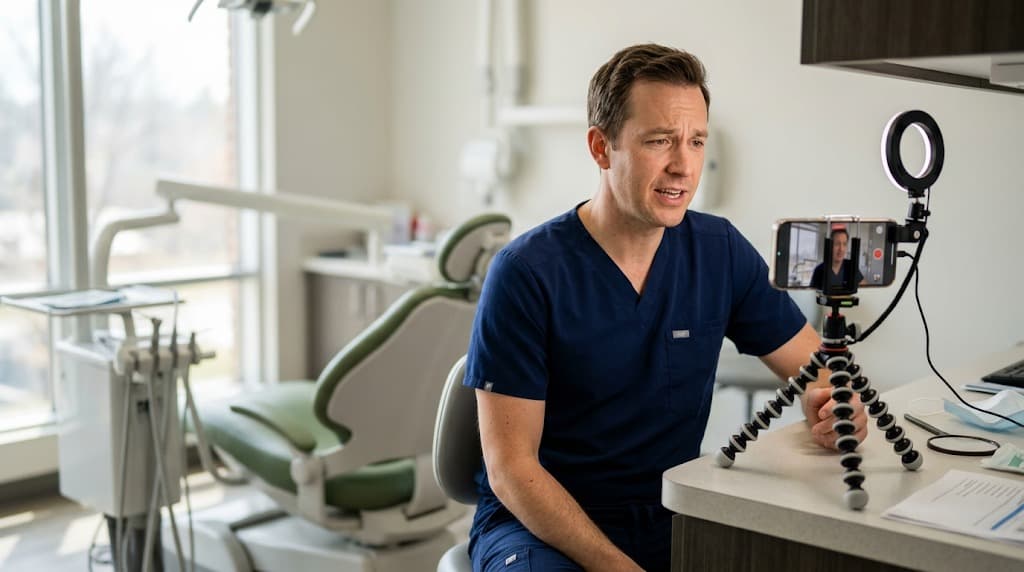
How to Fill Dental Cancellations Fast: A Complete Guide
Learn proven strategies to fill dental cancellations fast with waitlists, automation, and patient communication. Reduce lost revenue today.
Share:
Table of contents
Introduction
Last-minute dental appointment cancellations can drain up to 15% of potential revenue. This impact is documented by American Dental Association data. When patients cancel with little notice, practices face lost income and unused chair time. The ability to fill dental cancellations fast has become a critical operational skill that separates thriving practices from those struggling with scheduling gaps.
Dental cancellations happen for various reasons - patient emergencies, scheduling conflicts, or simple forgetfulness. However, practices that implement systematic approaches to fill dental cancellations fast can recover 70-80% of cancelled appointment revenue through same-day rebooking strategies.
This guide provides actionable workflows, communication templates, and technology solutions dental practices can implement immediately. These strategies range from building effective waitlists to using automation tools that help you fill dental cancellations fast and minimize the financial impact of last-minute schedule changes.
Why Dental Cancellations Happen
Understanding cancellation patterns is the first step to fill dental cancellations fast. Research shows that dental practices experience cancellation rates between 8-15%, with certain appointment types and times showing higher cancellation frequency.
Common Reasons Patients Cancel
Patient surveys reveal that scheduling conflicts account for 35% of dental cancellations. Illness follows at 28%, and transportation issues contribute 18%. Work-related emergencies represent 12% of cancellations. The remaining 7% includes childcare problems and forgotten appointments. Notably, hygiene appointments show higher cancellation rates than restorative procedures. Patients likely perceive them as less urgent.
Weather conditions significantly impact cancellation rates, with studies showing 25% increases during severe weather events. Seasonal patterns also emerge, with higher cancellation rates during school holidays and summer vacation periods when families travel more frequently.
Patterns in Last-Minute Cancellations
Data analysis reveals that Monday morning and Friday afternoon appointments experience the highest cancellation rates. Same-day cancellations peak between 7-9 AM, when patients realize scheduling conflicts or wake up feeling unwell. Appointments scheduled more than 6 weeks in advance show 40% higher cancellation rates than those scheduled within 2 weeks.
Age demographics influence cancellation behavior, with patients aged 25-45 showing the highest cancellation rates due to work and family obligations. Senior patients (65+) demonstrate the lowest cancellation rates but often require more advance notice for rescheduling due to transportation dependencies.
Same-Day Strategies to Fill Dental Cancellations Fast
Successful practices implement immediate response protocols when cancellations occur. The first two hours after a cancellation represent the highest probability window for rebooking, making rapid response systems essential.
Immediate Actions After a Cancellation
When a cancellation occurs, front desk staff should immediately check the short-notice waitlist and begin contacting patients within 15 minutes. Priority goes to patients with flexible schedules who previously expressed interest in earlier appointments. Staff should prepare a script mentioning the specific appointment type and any relevant details (cleaning, filling, consultation) to help patients make quick decisions.
The "golden hour" principle applies to dental cancellation recovery. Appointments filled within one hour of cancellation show 85% attendance rates, compared to 60% for appointments filled after four hours. This urgency stems from patients' ability to adjust their immediate schedules versus making longer-term commitments.
Real-World Example: Filling a Same-Day Opening
Dr. Sarah Martinez's practice in Phoenix implemented a cancellation recovery system after losing $12,000 monthly to unfilled appointments. When a crown appointment cancelled at 8:30 AM, her receptionist immediately contacted three waitlist patients. The first call reached Maria, who needed a cleaning and could arrive by 10 AM. The practice filled the 90-minute slot with a combination of Maria's cleaning and a brief consultation for another patient.
This coordinated approach recovered $340 in production from what would have been lost time. The key was having pre-screened waitlist patients who understood they might receive same-day calls and having flexible appointment structures that could accommodate different procedure types.
Successful same-day rebooking requires staff training on quick decision-making and authority to make scheduling adjustments without extensive consultation. Practices that empower front desk staff to offer incentives (like discounted whitening or priority scheduling) see 30% higher rebooking success rates.
Never Miss Another Cancellation Call
DentiVoice picks up every call 24/7, checks your waitlist, and fills open slots before your team even knows about the cancellation.
See How DentiVoice Works →Build and Manage a Short-Notice Waitlist to Fill Dental Cancellations Fast
An effective waitlist system serves as the foundation for rapid cancellation recovery. Unlike traditional waiting lists, short-notice lists focus specifically on patients willing to accept same-day or next-day appointments with minimal advance notice.
How to Create an Effective Waitlist
Building a robust waitlist begins during regular patient interactions. When scheduling future appointments, ask patients: "Would you be interested in an earlier appointment if one becomes available?" Document their preferences for appointment types, preferred days, and advance notice requirements. Successful practices maintain waitlists with 15-25 patients per provider, ensuring adequate coverage for different appointment types and time slots.
Waitlist management requires regular updates every 90 days. Contact preferences vary significantly among patients - some prefer text messages, others want phone calls, and many appreciate both. Collect multiple contact methods and note the best times to reach each patient. Include information about transportation flexibility, as patients who drive show higher acceptance rates for short-notice appointments than those dependent on public transportation or others.
Using the Waitlist in Practice
Effective waitlist utilization follows a priority system based on appointment compatibility. When a restorative appointment cancels, prioritize patients needing similar procedures over those seeking routine cleanings. However, don't overlook opportunities to combine multiple shorter appointments to fill longer cancelled slots.
The following table shows optimal waitlist contact strategies:
| Contact Method | Response Rate | Best Use Case |
|---|---|---|
| Phone Call | 65% | Complex procedures, senior patients |
| Text Message | 78% | Simple appointments, younger patients |
| 45% | Follow-up confirmation, detailed instructions | |
| Combined Approach | 85% | High-value appointments, established patients |
Document waitlist interactions to track response patterns and preferences. Some patients consistently accept short-notice appointments, making them valuable for urgent rebooking needs. Others may need removal from the list if they repeatedly decline opportunities.
Related: Learn how top practices recover lost patients with automated outreach → AI Dental Patient Reactivation: Complete Guide
Patient Communication That Converts Open Slots
Effective communication is essential to fill dental cancellations fast, transforming the recovery process from a reactive scramble into a professional service opportunity. The way practices frame last-minute appointment availability significantly impacts patient acceptance rates and overall practice perception.
What to Say When Offering a Last-Minute Appointment
Successful cancellation recovery calls focus on patient benefit rather than practice need. Instead of saying "We had a cancellation," frame the conversation as "An earlier appointment became available." This positioning presents the opportunity as advantageous for the patient rather than solving the practice's scheduling problem.
The call structure should include: appointment type confirmation, specific time availability, and clear next steps. For example: "Hi Mrs. Johnson, this is Sarah from Dr. Smith's office. An opening became available today at 2 PM for your cleaning appointment. Would you be able to come in this afternoon instead of waiting until next month?" This approach provides specific information while emphasizing the patient's benefit of earlier care.
Sample Messages and Scenarios
For urgent treatment needs: "Good morning, Mr. Davis. We know you mentioned some sensitivity in your back tooth. Dr. Martinez has an opening at 11 AM today if you'd like to have that evaluated sooner rather than waiting for your scheduled appointment next week."
For routine appointments: "Hi Lisa, this is Jennifer from Riverside Dental. We have an opening tomorrow at 9 AM for your cleaning. I know you mentioned preferring morning appointments - would this work better than your current afternoon slot?"
For new patients: "Hello Mrs. Peterson, thank you for choosing our practice. We've had an opening come available this Friday at 3 PM for your consultation. This would move your appointment up by two weeks - would that be convenient?"
These scripts address the four key patient questions: What type of appointment? When is it available? What's the benefit to me? What do I need to do next? Answering these questions upfront reduces back-and-forth communication and increases acceptance rates.
What If Your Phone Could Fill Cancellations Automatically?
DentiVoice AI Receptionist contacts waitlist patients, confirms appointments, and updates your schedule in real time - no staff effort required.
Book a Free Demo →Automation and Software Options to Reduce Cancellations
Technology solutions can significantly improve a practice's ability to fill dental cancellations fast through automated waitlist management, patient communication, and real-time scheduling updates. However, implementation must balance automation benefits with personal patient relationships.
Manual vs Automated Cancellation Filling
Manual cancellation recovery relies on staff availability and memory, creating inconsistent results. During busy periods, cancellation recovery often gets delayed or forgotten entirely. Automated systems can immediately notify waitlist patients when cancellations occur, dramatically reducing response time and improving fill rates.
However, automation works best for routine appointments rather than complex procedures requiring detailed explanation. Automated messages excel at offering hygiene appointments or simple follow-up visits, while treatment planning or extensive procedures benefit from personal phone calls where staff can address specific patient concerns.
Hybrid approaches show optimal results - automated initial contact followed by personal confirmation calls. This system ensures rapid patient notification while maintaining human connection for appointment details and patient concerns.
Key Features to Look For
Effective dental scheduling software should include real-time waitlist management with automatic patient ranking based on appointment compatibility. Look for systems that can send immediate notifications through multiple channels (text, email, phone) and track patient responses in real-time.
Integration capabilities with existing practice management systems eliminate duplicate data entry and ensure accurate patient information. Advanced features include predictive analytics that identify patients most likely to accept short-notice appointments based on historical behavior patterns.
Some practices successfully implement AI-powered scheduling assistants that can handle basic appointment rescheduling and waitlist management. These systems operate 24/7, capturing opportunities that might be missed during office hours. The DentiVoice AI Receptionist is one example that handles inbound calls, checks waitlists, and fills cancellation slots automatically. However, ensure any automated system maintains HIPAA compliance and includes options for patients to speak with human staff when needed.
The most successful implementations start with simple automation for routine appointments and gradually expand to more complex scenarios as staff and patients adapt to the new processes.
Related: Missed calls cost practices thousands each month. Here's a step-by-step recovery plan. → How to Recover Missed Dental Calls: Complete Guide
Cancellation Policies, Fees, and Patient Expectations
While the goal is always to fill dental cancellations fast, having clear policies in place is a key preventative measure. These policies protect practice revenue while maintaining positive patient relationships. Understanding patient rights and expectations helps practices develop fair policies that encourage compliance and reduce conflicts.
Common Questions About Dental Cancellations
Do dentists charge for last minute cancellations? Many dental practices implement cancellation fees for appointments cancelled with less than 24-48 hours notice. Typical fees range from $25-75, depending on appointment type and length. However, policies vary significantly, and some practices waive fees for documented emergencies or first-time occurrences.
How late is too late to cancel a dentist appointment? Most practices require 24-48 hours advance notice for cancellations. Same-day cancellations often incur fees unless due to illness or genuine emergencies. The key is communicating these timeframes clearly during appointment scheduling.
What to say when cancelling a dentist appointment? Patients should provide as much advance notice as possible and briefly explain the reason if comfortable doing so. A simple call saying "I need to cancel my Thursday appointment due to a work conflict" provides sufficient information for rescheduling.
Do you have to give a reason for cancelling an appointment? Patients aren't legally required to provide cancellation reasons, though brief explanations help practices understand patterns and potentially waive fees for legitimate emergencies.
Setting Clear and Fair Policies
Effective cancellation policies balance practice needs with patient flexibility. Written policies should specify advance notice requirements, fee structures, and procedures for rescheduling. Include exceptions for documented illness, family emergencies, and weather-related issues.
Communicate policies during appointment scheduling, in confirmation messages, and through office signage. Positive framing works better than punitive language - emphasize the practice's commitment to serving patients efficiently rather than focusing on penalties.
Consider graduated approaches: first cancellation receives a warning, second incurs a reduced fee, and subsequent short-notice cancellations result in full fees. This system demonstrates understanding while encouraging better patient behavior over time.
Set Up Your Front Office for Fewer No-Shows
From automated reminders to after-hours call handling, DentalBase gives your team the tools to keep your schedule full.
Explore DentalBase Services →Conclusion
The ability to fill dental cancellations fast represents a real competitive advantage in modern dental practice management. Practices implementing systematic approaches to cancellation recovery can reduce revenue loss by 70-80% while improving patient satisfaction through more flexible scheduling options.
Successful cancellation management combines three elements: proactive waitlist development, rapid response protocols, and clear patient communication. Technology solutions can enhance these efforts but should supplement rather than replace personal patient relationships that form the foundation of successful dental practices.
The most effective strategies focus on patient benefit rather than practice convenience. When positioned correctly, last-minute appointment availability becomes a valuable service offering rather than a desperate attempt to fill empty chairs. Patients appreciate opportunities for earlier treatment, and practices benefit from maintained productivity and revenue.
Implementing these systems requires initial investment in staff training and process development, but the returns justify the effort. Start with basic waitlist management and manual notification systems, then gradually incorporate automation as comfort levels and success rates improve.
Regularly review your cancellation patterns, recovery success rates, and patient feedback to refine your approach. The goal is creating a system that turns scheduling disruptions into opportunities for enhanced patient service and practice growth. By treating cancellation management as a strategic priority rather than an occasional necessity, dental practices can transform one of their biggest operational challenges into a sustainable competitive advantage.
Stop Losing Revenue to Last-Minute Cancellations
See how DentiVoice AI Receptionist fills open slots automatically, 24/7 - so your team can focus on patients, not phones.
Book a Free Demo →Want more guides on growing your dental practice?
Browse Resources →Sources & References
Frequently Asked Questions
Many dental practices charge cancellation fees for appointments cancelled within 24-48 hours. Fees typically range from $25-75 depending on appointment type. Policies vary by practice, and some dentists waive fees for genuine emergencies or first-time offenses.
Most practices require at least 24-48 hours advance notice to avoid fees. Cancelling within this window is considered too late and may result in charges. Some practices have stricter 48-72 hour policies for complex procedures like crowns or implants.
Be direct: 'I need to cancel my appointment on [date] due to [brief reason].' Offer to reschedule right away by asking about the next available slot. Being polite and giving maximum notice helps maintain a good relationship with your dental office.
You're not legally required to provide a reason, but it's courteous and may help. Explaining the situation lets staff determine if fees should be waived for emergencies. A brief explanation shows respect and often leads to more flexible rebooking options.
Yes, small incentives work well. Many practices succeed with modest discounts on future services, complimentary items like whitening kits, or monthly prize drawing entries. This frames the last-minute opening as a unique opportunity for the patient.
AI receptionists like DentiVoice automatically detect cancellations, contact waitlist patients via text or call, confirm new appointments, and update the schedule in real time. They operate 24/7, filling slots even outside office hours when manual recovery isn't possible.
Was this article helpful?
Written by
DentalBase Team
The DentalBase Team is a collective of dental marketing experts, AI developers, and practice management consultants dedicated to helping dental practices thrive in the digital age.