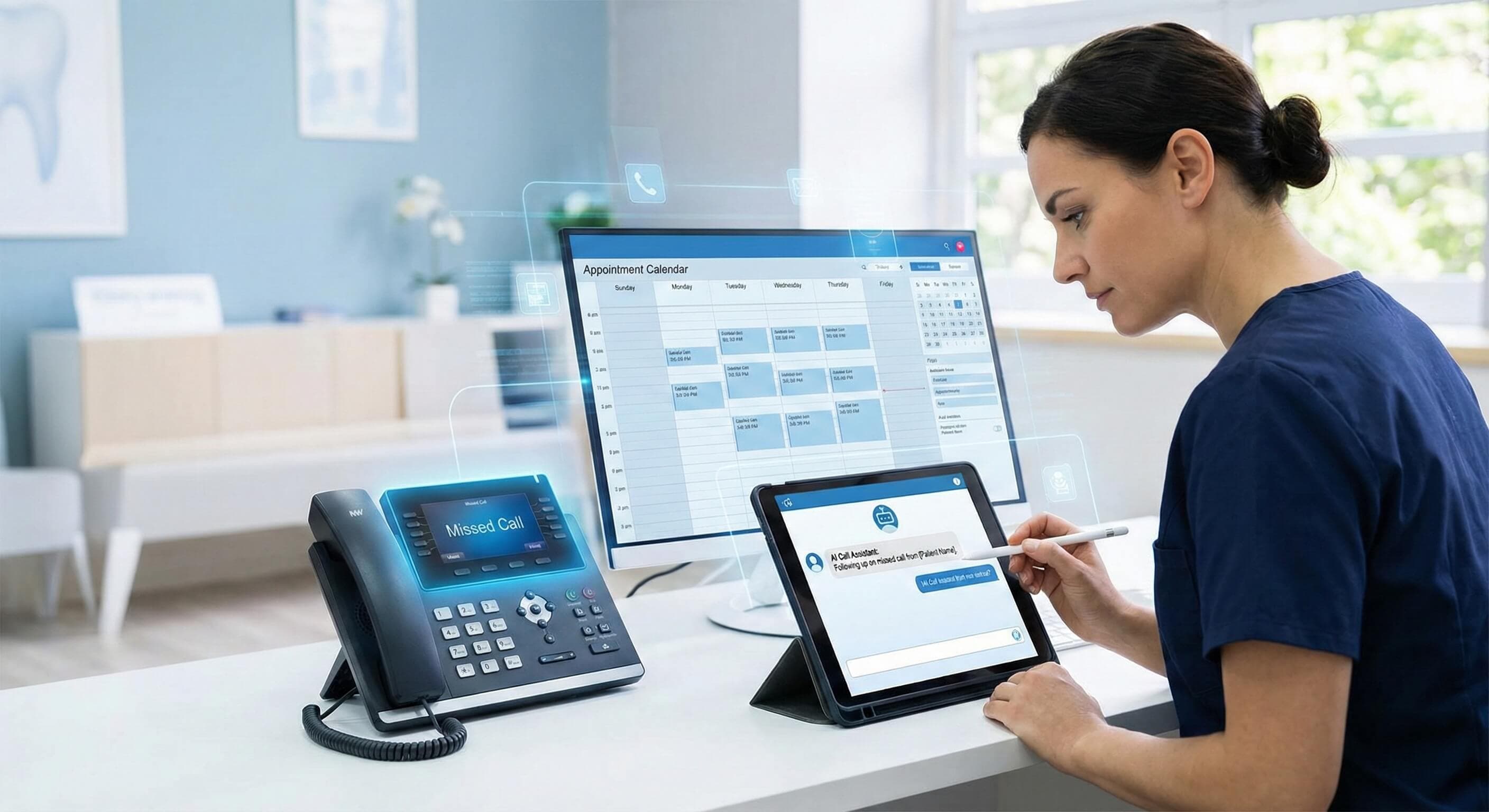
How to Recover Missed Dental Calls: Complete Guide
Learn proven strategies to recover missed dental calls and convert them into appointments. Step-by-step process with tools, compliance tips, and real examples.
Share:
Table of contents
Introduction to Recovering Missed Dental Calls
Every dental practice faces the ongoing challenge of missed calls. Knowing how to recover missed dental calls can directly impact your practice’s growth. It can also significantly improve patient satisfaction. Missed dental calls represent lost opportunities for new patient acquisition and emergency appointments. They also delay the follow-up care patients desperately need.
Patients call dental offices for various reasons, including scheduling routine cleanings. They may seek emergency care for dental pain or request appointment changes. Some also inquire about available treatment options. When these calls go unanswered, patients often move on to competitors who can respond immediately. Research indicates that 67% of potential patients will call another practice. This happens if their initial call isn't answered promptly.
The ability to recover missed dental calls requires systematic approaches. These approaches identify, prioritize, and respond to unanswered calls within appropriate timeframes. The process requires understanding call patterns and establishing clear protocols. It also utilizes technology to ensure no patient inquiry goes unaddressed. Modern practices that master how to recover missed dental calls typically see increased appointment bookings. These practices often achieve 15-25% gains from previously missed opportunities.
Why Missed Dental Calls Matter
Understanding the impact of missed calls helps prioritize the development of robust systems to recover missed dental calls effectively. The consequences extend beyond immediate lost revenue to long-term practice reputation and patient relationships.
Business Impact on Dental Practices
Missed dental calls directly correlate to lost revenue opportunities. A single missed new patient call can represent $2,000-$5,000 in lifetime patient value. This depends on treatment needs and practice demographics. Emergency calls carry even higher urgency. Patients experiencing pain often book comprehensive treatment plans once immediate needs are addressed.
Practices that fail to recover missed dental calls report lower new patient acquisition rates. These rates are 10-20% lower than competitors with effective call management systems. According to the American Dental Association, some practices lose as many as 30-50% of initial contacts from prospective patients, representing a significant loss in potential revenue.
Patient Experience and Trust
From a patient perspective, unanswered calls create frustration. They also erode trust in the practice's professionalism. Patients experiencing dental emergencies feel particularly abandoned when calls go unanswered. These experiences often lead to negative online reviews. They impact future patient acquisition.
Trust builds through consistent, ongoing communication with patients over time. Efforts to recover missed dental calls demonstrate genuine care for patient needs. Practices implementing systematic call recovery protocols often receive positive feedback. That feedback highlights responsiveness and dedication to patient care. It strengthens referral networks and strengthens online reputation.
Common Reasons Dental Calls Are Missed
Identifying why calls are missed provides a strong foundation for practices. For developing effective strategies to recover missed dental calls consistently. Understanding these patterns helps practices implement targeted solutions rather than generic approaches.
High call volume during peak hours often overwhelms front desk staff. Most dental practices experience call surges on Monday mornings and after lunch hours. Late afternoons are also busy, when patients have time to address dental needs. During these periods, staff may handle in-person patients while managing appointment schedules. And they often process insurance claims at the same time.
Limited front desk staffing compounds call volume challenges. Many practices operate with minimal administrative staff to control overhead costs. However, this creates bottlenecks during busy periods. When the primary receptionist is away from the desk, calls automatically go to voicemail. This happens during patient check-ins, bathroom breaks, or lunch.
After-hours calls represent a significant portion of missed opportunities. Dental emergencies do not follow business hours. Patients often call outside normal operating times seeking immediate relief or next-day appointments. Without systems to capture and respond to these calls, practices miss high-value emergency patients. These patients are willing to pay premium rates for urgent care.
Technology limitations in older phone systems may not provide adequate call tracking. They may also lack detailed voicemail transcription or integration with practice management software. These limitations make it difficult to identify missed calls systematically and respond appropriately.
Step-by-Step Process to Recover Missed Dental Calls
Implementing a systematic approach torecover missed dental callsensures consistent follow-up and maximizes conversion opportunities. This process should be documented and followed by all team members handling patient communications.
Identify and Log Missed Calls
Begin each day by reviewing call logs from your phone system. Identify all missed calls from the previous 24 hours. Document each missed call in a centralized tracking system. Note the caller's number, time of call, and duration. Cross-reference these numbers with existing patient records to determine if the caller is a current or potential new patient. This initial step is the foundation of any successful strategy to recover missed dental calls.
For practices using modern phone systems, automated call logging can streamline this process. However, manual verification ensures accuracy and helps identify patterns in missed call timing. Pay special attention to calls during lunch hours, early mornings, and late afternoons when staff availability may be limited.
Prioritize and Return Calls
Prioritize missed calls based on urgency indicators and potential value. Emergency-related calls (identified through voicemail content or multiple call attempts) should receive immediate attention. New patient inquiries typically represent higher lifetime value than existing patient routine calls.
Establish a 2-4 hour response window for all missed calls during business hours, and implement next-business-day responses for after-hours calls. When returning calls, reference the original call time and apologize for the delay. Use phrases like "I'm returning your call from this morning" to demonstrate attentiveness to their initial attempt.
Document Outcomes
Record the outcome of each call recovery attempt, including successful connections, additional voicemails left, or disconnected numbers. This documentation helps identify patterns and improve future efforts to recover missed dental calls. Track conversion rates from missed call recovery to understand the financial impact of these efforts.
Create follow-up schedules for calls that don't connect immediately. Many patients appreciate persistent but respectful follow-up, especially for non-urgent matters. Document preferred contact methods and times when patients do connect to improve future communication effectiveness.
Tools and Systems That Help Recover Missed Calls
Modern technology significantly improves the ability torecover missed dental callsefficiently and consistently. Selecting appropriate tools depends on practice size, budget, and existing technology infrastructure.
Common Call Recovery Tools
Cloud-based phone systems offer advanced call tracking, voicemail transcription, and integration capabilities that streamline missed call identification and response. These systems typically provide detailed call analytics, helping practices understand call patterns and optimize staffing during high-volume periods.
AI-powered receptionist services can answer calls 24/7, capture patient information, and schedule appointments even when human staff is unavailable. These services often reduce missed calls by 60-80% while providing consistent patient experiences. However, practices must ensure these services comply with HIPAA requirements and maintain appropriate professional standards.
Call tracking software integrated with practice management systems automatically logs missed calls and creates follow-up tasks for staff members. This automation ensures no missed call is overlooked and provides accountability, which is crucial when you recover missed dental calls.
Voicemail transcription services convert voice messages to text, allowing staff to quickly scan message content and prioritize responses. This technology is particularly valuable for identifying emergency situations that require immediate attention.
| Tool Type | Key Features | Best For |
|---|---|---|
| Cloud Phone Systems | Call tracking, analytics, integration | All practice sizes |
| AI Receptionists | 24/7 availability, appointment scheduling | Practices with frequent after-hours calls |
| Call Tracking Software | Automated logging, follow-up reminders | Practices wanting systematic approach |
| Voicemail Transcription | Text conversion, quick message review | High-volume practices |
Real-World Scenarios in Dental Practices
Examining specific situations helps illustrate practical applications of strategies torecover missed dental callsand their impact on practice operations and patient care.
Example: Missed Emergency Call
Dr. Smith's practice received a missed call at 7:30 AM from a patient experiencing severe tooth pain. The caller left a detailed voicemail describing symptoms and requesting immediate care. The front desk staff discovered the missed call when they arrived at 8:00 AM and immediately returned the call.
The patient answered and expressed relief that someone called back quickly. The practice scheduled an emergency appointment for 10:00 AM the same day. During the appointment, the patient required a crown replacement valued at $1,200, plus pain management treatment. This single recovered call generated significant revenue while providing essential patient care.
The key success factors in the effort to recover missed dental calls like this one included systematic voicemail checking first thing each morning, staff training to recognize emergency indicators, and maintaining flexible scheduling for urgent cases. Without proper call recovery protocols, this patient would likely have sought care elsewhere.
Example: High-Volume New Patient Calls
A family dental practice experienced 12 missed calls during a particularly busy Monday morning when their receptionist was helping with a patient emergency. Seven of these calls were from potential new patients responding to a local advertising campaign.
By implementing a systematic approach to recover missed dental calls, the practice contacted all seven prospects within four hours. Five patients answered and scheduled initial consultations, while two had already called competitors. The five new patients represented approximately $8,000 in initial treatment value, demonstrating the financial importance of quick call recovery.
This scenario highlights the need for backup communication protocols during busy periods and the time-sensitive nature of new patient inquiries in competitive markets.
Compliance and Patient Privacy Considerations
When implementing systems torecover missed dental calls, dental practices must maintain strict compliance with HIPAA regulations and protect patient privacy throughout the call recovery process.
HIPAA considerations require careful handling of all patient communications, including missed call recovery attempts. Staff members returning calls should verify patient identity before discussing any health-related information, even when calling numbers that appear in patient records. Use general language when leaving voicemails, avoiding specific dental conditions or treatment details.
Voicemail limitations under HIPAA allow practices to leave callback numbers and general appointment reminders but prohibit detailed health information disclosure. When attempting to recover missed dental calls, limit voicemail messages to "This is [Practice Name] returning your call. Please call us back at your convenience."
Secure documentation of call recovery efforts should occur within HIPAA-compliant systems, typically integrated with existing practice management software. Avoid documenting patient health information in unsecured call tracking systems or personal devices.
Training staff on appropriate communication protocols ensures consistent compliance while maintaining effectiveness in efforts to recover missed dental calls. Regular compliance reviews should include call recovery procedures to identify and address any potential privacy risks.
Third-party call recovery services must sign Business Associate Agreements and demonstrate HIPAA compliance before handling any patient communications. Verify that all technology solutions meet healthcare privacy requirements before implementation.
Frequently Asked Questions About Missed Dental Calls
Addressing common questions helps dental practices better understand how to recover missed dental calls effectively while managing patient expectations and operational challenges.
Can I retrieve a deleted missed call?Most modern phone systems maintain call logs even after individual missed call notifications are cleared. Check your phone system's administrative interface or contact your telecommunications provider for call history retrieval options. Cloud-based systems typically retain detailed call logs for 30-90 days, allowing practices to identify and respond to previously missed calls.
How do I retrieve my missed calls? Access your phone system's missed call log through the administrative interface, review voicemail transcriptions if available, and check any integrated practice management software for automated call tracking. Establish daily review procedures to ensure consistent identification of missed calls requiring follow-up.
What to do if I missed a call from the doctor? If you're a patient who missed a call from your dental practice, return the call promptly as it may relate to urgent treatment needs, appointment confirmations, or important health information. Dental practices typically call patients for scheduling, treatment planning, or follow-up care coordination.
What is the 80/20 rule in dentistry? The 80/20 rule suggests that 80% of practice revenue typically comes from 20% of patients, often those requiring comprehensive treatment plans. This principle applies to call recovery efforts, as missed calls from existing patients with extensive treatment needs may represent higher value opportunities than routine cleaning appointment requests.
Conclusion: Building a Reliable Missed Call Recovery Process
Developing systematic approaches to recover missed dental calls represents a critical investment in practice growth, patient satisfaction, and operational efficiency. The strategies outlined in this guide provide practical frameworks that dental practices can implement immediately to capture lost opportunities and improve patient communication.
Key steps include establishing daily call review procedures, implementing appropriate technology solutions, training staff on effective callback protocols, and maintaining HIPAA compliance throughout all patient communications. Practices that consistently follow these protocols typically see significant improvements in new patient acquisition and patient retention rates.
Consistency is essential for successful call recovery programs. Sporadic efforts may catch some missed opportunities, but systematic daily implementation ensures no patient inquiry goes unaddressed. Consider appointing a specific team member to oversee call recovery efforts and track conversion rates to demonstrate the program's financial impact.
Next steps for dental practices should include evaluating current call management systems, training staff on call recovery protocols, and implementing measurement systems to track improvement over time. Start with manual processes to establish workflows, then gradually introduce technology solutions to streamline and automate call recovery efforts.
The investment in systems to recover missed dental calls pays dividends through increased patient satisfaction, improved practice reputation, and substantial revenue growth from previously lost opportunities. Practices that prioritize responsive patient communication consistently outperform competitors in both patient acquisition and retention metrics.
Frequently Asked Questions
Yes, deleted missed calls can often be retrieved through several methods. Most smartphones automatically backup call logs to cloud services like iCloud or Google Drive. You can also check your phone carrier's account portal, as many providers store call history for billing purposes. Additionally, if your dental practice uses a phone system with call logging features, the missed call information may still be accessible through the system's administrative panel even if deleted from individual devices.
To retrieve missed calls, start by checking your phone's call log or recent calls section. If calls were accidentally deleted, check cloud backups through your device settings. For dental practices, review your phone system's call history, voicemail transcriptions, and any integrated practice management software that logs incoming calls. Many modern dental phone systems automatically capture missed call data including caller ID, time stamps, and attempted callback information for easy retrieval and follow-up.
If you missed a call from your doctor or dental office, call back as soon as possible using the number they called from or their main office line. Check for any voicemails left with instructions. Many medical and dental offices have specific callback protocols, so ask about their preferred method for rescheduling or addressing urgent matters. Don't wait too long to return the call, as it may be regarding important appointment confirmations, treatment updates, or time-sensitive health information.
The 80/20 rule in dentistry, based on the Pareto Principle, suggests that 80% of a practice's revenue typically comes from 20% of its patients. This principle applies to missed calls too - often 20% of missed calls represent 80% of potential lost revenue. High-value patients or complex treatment cases should receive priority in callback efforts. Understanding this rule helps dental practices allocate resources effectively, focusing intensive follow-up efforts on the most valuable missed opportunities while maintaining efficient systems for all patient communications.
For emergency-related calls, you should respond immediately. For non-urgent inquiries, general best practices suggest late afternoon (4 PM to 5 PM) and mid-morning (10 AM to 11 AM) are effective times to reach people. Avoid calling during typical lunch hours. The most critical factor is responding promptly, ideally within one to two hours, to show responsiveness and increase the chances of scheduling an appointment before the patient calls another practice.
Was this article helpful?
Written by
DentalBase Team
The DentalBase Team is a collective of dental marketing experts, AI developers, and practice management consultants dedicated to helping dental practices thrive in the digital age.