How Dentivoice AI Handles Bookings When Staff Can't
Discover how Dentivoice AI handles patient bookings during after-hours, lunch breaks, and peak times when dental staff are unavailable or overwhelmed.
Share:
Table of contents
Introduction: The Booking Gap Dental Practices Face
Every dental practice faces the same operational challenge. Patients need to schedule appointments when staff aren't available to answer calls. Understanding how Dentivoice AI handles this critical gap can transform practice accessibility. It can also transform revenue potential.
The impact extends beyond revenue loss. Patients seeking urgent care or convenient scheduling may form negative impressions when calls go unanswered. In today's competitive dental market, accessibility often determines patient choice. How Dentivoice AI handles these booking challenges offers a systematic solution. That solution maintains patient access while reducing staff burden. It helps during critical periods when human coverage isn't feasible or cost-effective.
Why Dental Practices Miss Booking Opportunities
Dental practices operate within strict operational constraints that create predictable gaps in booking coverage. These limitations stem from both financial realities and practical workflow demands that affect patient access.
Staffing costs make 24/7 human coverage financially impractical for most practices. The average dental receptionist salary ranges from $35,000 to $45,000 annually. Extending coverage beyond standard hours typically requires overtime rates or additional staff. For a practice generating $1.2 million annually, the cost-benefit analysis rarely supports this. Extended human coverage for booking calls alone is usually not justified.
Operational bottlenecks compound these challenges during peak periods. Front desk staff juggle multiple responsibilities simultaneously. They check patients in and out and handle insurance verification. They manage payments and coordinate closely with clinical staff. During busy periods, booking calls become secondary priorities. This leads to longer hold times and rushed scheduling conversations.
After-Hours and Weekend Call Volume
Patient booking requests don't follow business schedules. Analysis of dental practice call patterns shows significant volume spikes. These occur during evening hours, 5-8 PM, and weekend mornings, 9 AM-12 PM. Working parents often call after standard business hours. Emergency situations requiring urgent appointments occur around the clock. Without coverage during these periods, practices and urgent care opportunities.
Front Desk Overload During Peak Times
Monday mornings and post-lunch periods create predictable stress points for human staff. During these peak times, booking quality often declines. Staff rush through calls to manage queue backlogs. This rushed environment increases scheduling errors and reduces the quality of patient interactions. It can potentially affect patient satisfaction and retention rates.
What Dentivoice AI Is and How It Fits Into Scheduling
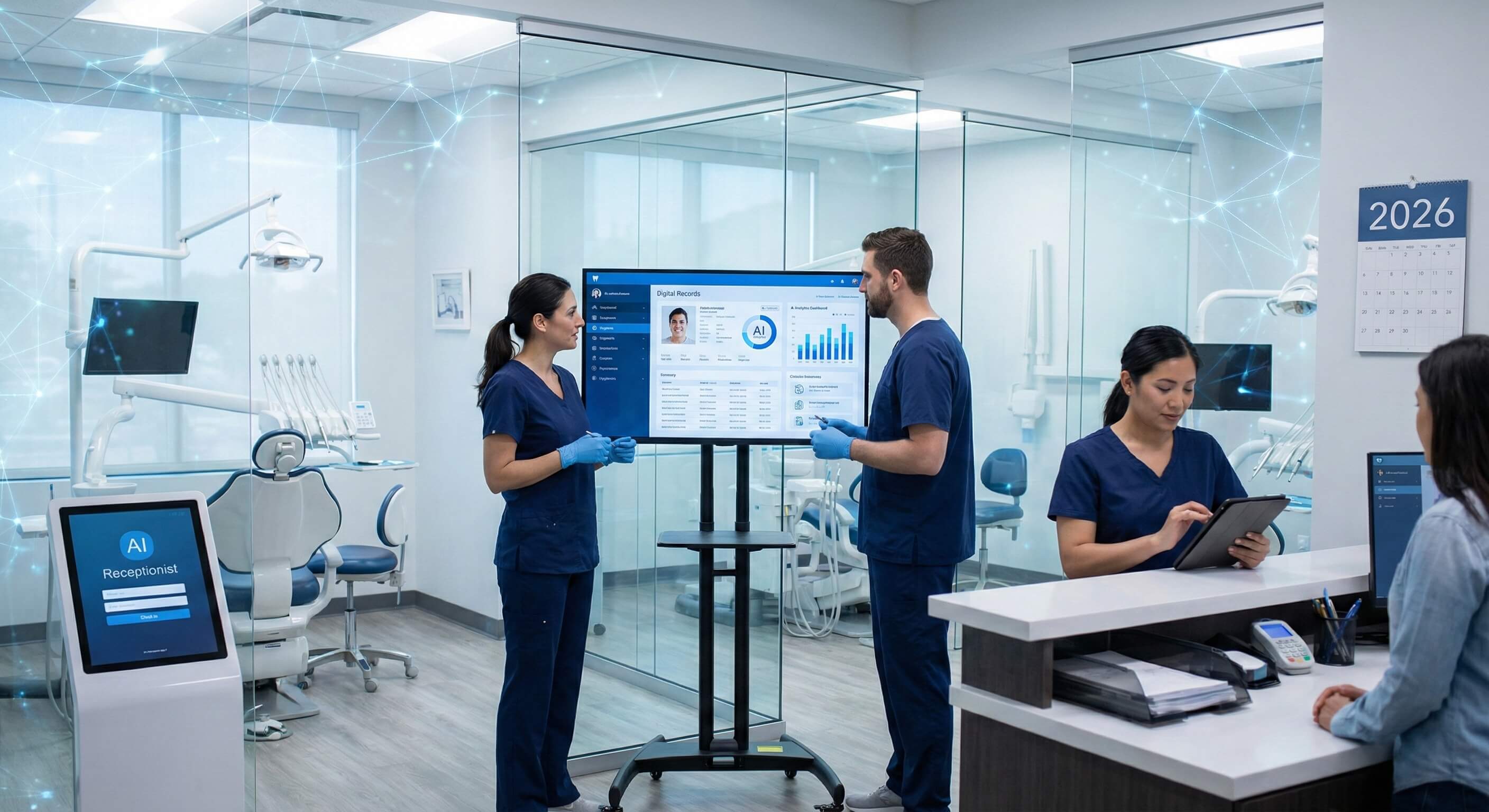
Dentivoice AI functions as a specialized artificial intelligence system designed for dental practices. It supports communication and scheduling workflows specifically for dental practices. Unlike generic chatbots or basic phone systems, it integrates directly with practice management software. This integration enables real-time appointment booking capabilities.
The system operates through natural language processing technology. It understands patient requests, accesses appointment availability, and completes scheduling transactions. It connects to existing practice management systems through secure APIs. Appointment data synchronizes across all practice systems immediately.
Integration depth varies by practice needs and existing technology infrastructure. Basic implementations handle standard appointment scheduling and rescheduling requests. Advanced configurations can manage complex scheduling scenarios. These include emergency appointments, treatment plan coordination, and multi-visit scheduling for extensive procedures.
Core Functions of Dentivoice AI
The AI system manages three primary : appointment booking, modification, and confirmation. For new appointments, it accesses real-time calendar availability. It guides patients through scheduling options based on stated needs and preferences. Modification requests involve understanding patient requests for changes. The system checks new availability and updates existing appointments. It maintains scheduling continuity during the process. Confirmation functions include automated appointment reminders. They also handle patient responses to scheduling communications.
How Dentivoice AI handles appointment complexity depends on pre-configured rules and integration capabilities. Simple cleanings and check-ups require minimal decision logic. Treatment appointments may involve duration considerations and provider preferences. They also include pre-appointment requirements the system can evaluate automatically.
Boundaries Between AI and Human Staff
Clear operational boundaries define how Dentivoice AI handles bookings. They ensure it complements rather than replaces human judgment. The system excels at routine scheduling tasks, availability checking, and basic patient information collection. Human staff retain responsibility for complex treatment planning discussions and insurance complications. They also manage situations requiring clinical judgment or personalized care coordination. This division allows AI to handle volume efficiently. It preserves human expertise for cases needing personal attention and professional experience.
Step-by-Step: How Dentivoice AI Handles a Booking Call
The booking process through Dentivoice AI follows a structured workflow. It is designed to capture essential information while providing a smooth patient experience. Each step includes validation checkpoints to ensure accuracy and completeness.
Dentivoice AI begins initial call intake with greeting identification and needs assessment. The system identifies returning patients through phone number recognition. It prompts new patients for basic identification information. It then determines the type of appointment needed through guided questions. These questions help categorize the request appropriately.
Patient verification occurs through multiple data points including name confirmation, date of birth verification, and address validation for existing patients. New patients provide essential contact information and basic medical history relevant to scheduling decisions. The system flags any urgent indicators that might require immediate human intervention or expedited scheduling.
Call Intake and Patient Identification
The identification process balances thoroughness with efficiency. How Dentivoice AI handles returning patient recognition involves checking phone numbers against the patient database and confirming identity through secondary identifiers. For new patients, the system collects name, contact information, insurance details, and reason for the appointment request.
Data validation occurs in real-time to catch input errors and ensure completeness. The system cross-references information against existing records to prevent duplicate accounts and identifies any special scheduling considerations such as accessibility needs, preferred providers, or treatment history that might affect appointment selection.
Appointment Selection and Confirmation
Once patient identification completes, how Dentivoice AI handles appointment selection involves presenting available options based on the requested service type and patient preferences. The system accesses real-time calendar availability and filters options based on appointment duration requirements, provider availability, and any special scheduling rules the practice has configured.
Patients receive multiple appointment options with clear date, time, and provider information. The system can accommodate preference requests such as morning versus afternoon slots, specific provider requests, or scheduling around patient availability constraints. After selection, immediate confirmation includes appointment details, location information, and any pre-appointment instructions specific to the scheduled service type.
| Booking Step | AI Function | Average Duration | Human Backup Trigger |
|---|---|---|---|
| Initial Contact | Greeting & needs assessment | 30-60 seconds | Complex insurance questions |
| Patient ID | Verification & record lookup | 45-90 seconds | New patient complications |
| Appointment Search | Calendar access & filtering | 30-45 seconds | No suitable availability |
| Selection & Confirmation | Booking & confirmation details | 60-90 seconds | Special scheduling requests |
Dentivoice AI vs Traditional Booking Methods
Comparinghow Dentivoice AI handlesbookings against traditional methods reveals significant differences in availability, response time, and consistency. These differences directly impact patient access and practice efficiency.
Availability represents the most obvious advantage. Traditional booking methods depend on staff presence, limiting availability to business hours and staffed periods. AI systems operate continuously, handling calls during evenings, weekends, holidays, and busy periods when human staff are occupied with other responsibilities. This expanded availability can increase booking opportunities by 40-60% according to practice implementation studies.
Response time differences affect patient experience and conversion rates. Human staff may place callers on hold during busy periods or return calls hours later when availability changes. How Dentivoice AI handles immediate response eliminates hold times and provides instant availability information, reducing the likelihood that patients will call competitors while waiting.
Consistency in booking quality varies significantly between methods. Human staff performance fluctuates based on workload, stress levels, and individual training. AI systems maintain consistent service quality regardless of call volume or timing, following the same verification and booking procedures for every interaction.
Error rates differ between methods due to human factors and system design. Human booking errors often involve scheduling conflicts, incorrect patient information entry, or miscommunication about appointment details. AI systems reduce certain error types through automated validation but may struggle with unusual requests or complex situations that require interpretation beyond programmed parameters.
Cost considerations extend beyond direct staffing expenses. Traditional methods require ongoing training, supervision, and quality management. AI systems involve initial setup costs and ongoing maintenance but eliminate many variable costs associated with human staff fluctuation and training requirements.
Real-World Scenarios When Staff Are Unavailable
Understanding how Dentivoice AI handles specific unavailability scenarios illustrates practical applications and patient experience implications. These real-world examples demonstrate system capabilities and limitations.
Scenario complexity varies from routine scheduling requests to urgent care needs that require immediate response and careful handling. Each scenario type requires different system responses and escalation protocols to ensure appropriate care coordination.
Patient expectations during staff unavailability periods often include immediate response and comprehensive service. How Dentivoice AI handles meeting these expectations depends on system configuration and integration depth with practice workflows.
After-Hours Emergency Appointment Request
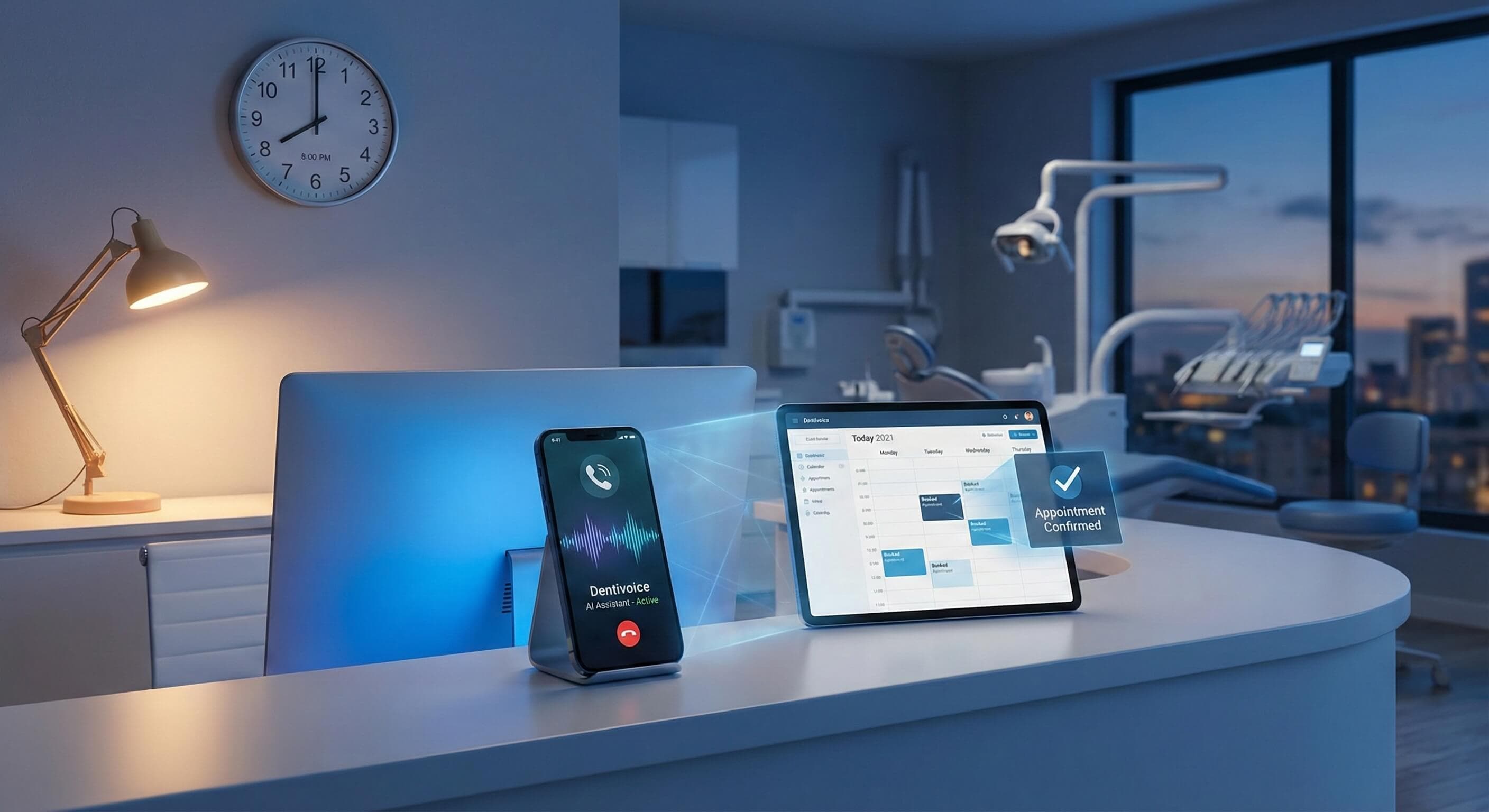
A patient calls at 8:30 PM on Friday evening with severe tooth pain requiring urgent care. How Dentivoice AI handles this scenario involves immediate needs assessment to determine urgency level and available response options.
The system identifies emergency indicators through specific keywords and pain scale responses, then accesses emergency appointment slots or after-hours provider availability. For true emergencies, it can connect patients directly to on-call providers or emergency contact numbers while simultaneously flagging the case for Monday morning follow-up.
Documentation during emergency calls includes detailed symptom information, contact details, and initial response provided. This information integrates with practice management systems to ensure clinical staff have complete context when they arrive Monday morning or respond to emergency calls.
Lunch Break and High Call Volume
During a typical lunch break period, three patients call simultaneously requesting appointments while the single front desk staff member is unavailable. Traditional systems would result in missed calls or lengthy hold times that discourage patient persistence.
How Dentivoice AI handles concurrent calls by processing multiple booking requests simultaneously without wait times. Each patient receives immediate attention and can complete scheduling without competing for staff availability. The system manages appointment conflicts automatically, ensuring double-booking prevention across all concurrent booking sessions.
Call completion during peak volume periods maintains service quality standards that would decline with overwhelmed human staff. Patients receive the same detailed attention and verification procedures regardless of concurrent system usage, preserving booking accuracy and patient satisfaction during high-demand periods.
Compliance, Privacy, and Operational Considerations
How Dentivoice AI handlespatient information and appointment data must comply with healthcare regulations and practice security policies. These compliance requirements affect system design, data handling procedures, and integration protocols.
Regulatory compliance extends beyond basic privacy protections to include specific healthcare communication requirements and patient consent protocols. AI systems must demonstrate compliance with federal and state regulations while maintaining functionality that meets practice operational needs.
Risk management considerations include data security, system reliability, and backup procedures for system failures. Practices must evaluate how Dentivoice AI handles these risks compared to traditional booking methods and implement appropriate safeguards.
HIPAA and Patient Data Handling
HIPAA compliance requirements affect every aspect of AI booking system design and operation. How Dentivoice AI handles protected health information (PHI) must meet or exceed traditional handling standards while providing enhanced functionality.
Data encryption during transmission and storage protects patient information throughout the booking process. The system employs end-to-end encryption for all communication channels and maintains encrypted storage for any temporary data required during booking sessions. Access logging creates audit trails that meet HIPAA documentation requirements.
Patient consent protocols ensure individuals understand how their information is collected, used, and stored during AI booking interactions. Clear disclosure statements inform patients about AI involvement in their booking experience and provide opt-out options for those preferring human-only interactions.
Practice-Level Controls and Oversight
Practice administrators maintain comprehensive control over how Dentivoice AI handles booking policies and procedures. Configuration options allow customization of booking rules, appointment types, and escalation protocols that match practice preferences and clinical requirements.
Monitoring capabilities provide detailed reporting on AI booking performance, error rates, and patient satisfaction metrics. These reports enable practices to optimize system performance and identify areas where human intervention might improve patient experience or clinical outcomes.
Staff training protocols ensure human team members understand AI capabilities and limitations, enabling seamless collaboration between automated and human booking processes. Regular review procedures help practices adjust AI configuration as operational needs evolve and patient feedback indicates improvement opportunities.
Conclusion: What Continuous Booking Coverage Means for Practices
Understanding how Dentivoice AI handles bookings when staff are unavailable reveals significant operational advantages for modern dental practices. The technology addresses fundamental accessibility challenges while maintaining service quality standards that support patient satisfaction and practice growth.
Continuous booking coverage transforms practice accessibility from a staffing constraint into a competitive advantage. Patients can schedule appointments during convenient times regardless of office hours, reducing barriers to care and improving patient experience. This enhanced accessibility often translates to increased appointment volume and revenue growth as practices capture previously missed booking opportunities.
Operational efficiency improvements extend beyond simple appointment scheduling. How Dentivoice AI handles routine booking tasks frees human staff to focus on complex patient needs, insurance coordination, and clinical support activities that require personal attention and professional expertise. This division of labor optimizes both AI capabilities and human skills.
Implementation considerations require careful evaluation of practice needs, existing technology infrastructure, and patient demographics. Practices should assess current booking challenges, staff workload patterns, and patient communication preferences to determine optimal AI integration levels.
The decision to implement AI booking support should consider both immediate operational benefits and long-term strategic advantages. Practices that adopt comprehensive booking coverage early often establish competitive advantages in patient access and service quality that become increasingly valuable as patient expectations for healthcare convenience continue to evolve.
For dental practices evaluating AI booking solutions, focus evaluation on specific operational pain points, compliance capabilities, and integration requirements that match your practice's unique needs and patient population characteristics.
Frequently Asked Questions
Dental practices can use AI-powered solutions like Dentivoice to handle after-hours booking calls automatically. The AI system answers calls 24/7, provides appointment availability, schedules appointments directly into the practice management system, and sends confirmation details to patients. This ensures no booking opportunities are missed even when the office is closed or staff are unavailable.
When patients call and no one answers, they typically hang up and may contact competing practices instead. Studies show that a significant percentage of new patient calls go unanswered in dental practices. This results in lost revenue opportunities, frustrated patients, and potential damage to the practice's reputation as patients perceive unavailability as unprofessional service.
Yes, modern dental AI systems like Dentivoice are designed with HIPAA compliance and security protocols. They use encrypted communication channels, secure data storage, and follow strict privacy guidelines when handling patient information. The AI integrates securely with existing practice management systems while maintaining all regulatory compliance standards required for healthcare operations.
If the AI cannot understand a patient's request or if the query is too complex, it is designed to escalate the call to a human. During business hours, this may involve a seamless transfer to a front desk staff member. After hours, the AI will take a detailed message and ensure it is flagged for priority follow-up by the office staff the next business day. This ensures that no patient request is lost and that complex issues receive human attention.
Yes, besides booking new appointments, Dentivoice AI is fully capable of managing rescheduling and cancellation requests. The system can identify existing appointments, check the calendar for new availability based on the patient's request, and update the schedule in real-time. This automates the entire appointment lifecycle, freeing up staff from routine scheduling modifications.
Was this article helpful?
Written by
DentalBase Team
The DentalBase Team is a collective of dental marketing experts, AI developers, and practice management consultants dedicated to helping dental practices thrive in the digital age.