Skip to content
How to Measure, Score, Improve Every Dental Patient Call
Practice Management

How to Measure, Score, Improve Every Dental Patient Call

Learn proven strategies to measure, score, improve every dental patient call. Comprehensive guide with metrics, tools, and compliance for dental practices.

By DentalBase TeamUpdated February 22, 202618m

Share:

Introduction: Why Dental Patient Calls Matter

Phone calls remain the primary channel for dental patient acquisition. Studies show 85% of prospective patients prefer calling over online scheduling initially. Dental practices measure, score, and improve every patient call. They do this through consistent tracking and coaching. They typically see 15–30% increases in appointment bookings and overall patient satisfaction scores.

The modern dental practice receives an average of 40-60 patient calls per day. These range from emergency requests to routine cleanings. Each call represents a potential $2,000-$5,000 in lifetime patient value. This makes call optimization crucial for growth. However, most dental offices lack structured processes to evaluate and enhance their phone interactions.

This comprehensive guide provides a data-driven framework to measure, score, and improve every dental patient call. It helps you measure, score, and improve every aspect of your phone interactions. You'll learn specific metrics to track and scoring methodologies to ensure consistency. You will also discover proven improvement strategies that transform missed opportunities into confirmed appointments. The approach combines practical measurement techniques with actionable improvement tactics. Dental practices can implement these immediately.

What It Means to Measure and Score Dental Patient Calls

To effectively measure, score, and improve every dental patient call, a practice must start with a clear understanding of the process. Measuring dental patient calls involves collecting quantitative data across key call areas. This includes call volume, duration, outcomes, and timing patterns. This includes tracking metrics like total calls received and calls answered versus missed. It also covers average call length and conversion rates from inquiry to scheduled appointment. Effective measurement provides the foundation for understanding current performance and identifying improvement opportunities.

Measuring vs. Scoring Calls

Call measurement focuses on objective, numerical data points. These data points can be tracked automatically through phone systems and software. These metrics include call volume (how many) and timing (when calls occur). They also include duration (how long) and basic outcomes. Outcomes include scheduled, not scheduled, and transferred. Measurement answers questions about quantity and basic performance indicators.

Call scoring, conversely, evaluates the qualitative aspects of phone interactions through structured assessment criteria. Scoring examines communication effectiveness, patient experience quality, information accuracy, and adherence to practice protocols. While measurement tells you what happened, scoring reveals how well it happened.

Why Both Are Necessary

Measurement without scoring provides incomplete insights. You may know conversion rates are low, but not why patients aren't scheduling. Similarly, scoring without measurement lacks context about overall performance trends and improvement impact. The combination creates a complete picture that enables targeted improvements.

When practices measure, score, and improve every call systematically, they identify training needs. They also optimize scheduling processes and enhance patient satisfaction. This dual approach ensures improvements address operational efficiency and communication quality. It leads to sustainable performance gains.

Core Metrics to Measure Every Dental Patient Call

Effective call measurement requires tracking specific metrics that directly impact patient acquisition and practice efficiency. The most valuable metrics fall into two categories. Operational metrics measure system performance. Outcome metrics evaluate patient conversion success.

Call Volume and Timing Metrics

Call volume tracking reveals patterns in patient demand and staffing needs. Key metrics include total daily calls and peak call hours. They also cover average calls per staff member and seasonal variations. Most dental practices experience call spikes on Monday mornings. These account for 25-30% of weekly volume. Additional spikes occur after lunch hours, between 2-4 PM.

Call timing analysis helps optimize staffing schedules and identifies missed opportunity windows. Track metrics like average wait time before answer and calls abandoned while waiting. Also track response time for callback requests. The American Dental Association recommends answering calls within three rings. Each additional ring reduces the likelihood of patient booking by 7%.

Efficiency metrics measure how effectively your team handles call volume. Monitor calls per hour per staff member. Track the percentage of calls requiring transfers. Compare time spent on administrative tasks versus patient interaction. High-performing practices typically handle 15-20 calls per hour per receptionist. They do this while maintaining quality standards.

Quality and Outcome Metrics

Conversion tracking measures how effectively calls translate into appointments. Essential metrics include appointment booking rate, with a 75-85% target for new patient calls. They also include show-up rate for booked appointments and revenue per call. Track these metrics separately for new patients, existing patients, and emergency calls.

Patient satisfaction indicators reveal communication effectiveness using metrics like call completion rate. This rate reflects patients who do not hang up during calls. Additional metrics include callback request fulfillment time and patient complaints related to phone service. Monitor how often patients need to call back for the same issue. Repeated calls indicate process inefficiencies.

To measure, score, improve every call outcome effectively, implement call tracking. This system should capture the complete patient journey. This includes initial contact, appointment completion, and follow-up care scheduling.

How to Score Dental Patient Calls Effectively

Call scoring transforms subjective call quality assessment into objective, measurable criteria. This enables consistent evaluation and targeted improvement. Effective scoring systems use standardized rubrics. Multiple team members can apply these reliably to achieve consistent results across all evaluations.

Building a Call Scoring Rubric

A comprehensive scoring rubric typically evaluates five core areas. These are: greeting and professionalism (0-20 points), information gathering (0-20 points), and treatment explanation and scheduling (0-25 points). It also includes insurance and payment discussion (0-20 points) and call closure and follow-up (0-15 points). Each category includes specific criteria that define excellent, good, fair, and poor performance levels.

Greeting and professionalism criteria include answering within three rings and using the practice name and personal name. It also means speaking clearly and enthusiastically, and maintaining a professional tone throughout the call. Information gathering evaluates how effectively staff collect key details. This includes patient contact details, insurance information, chief complaint details, and scheduling preferences.

Treatment explanation scoring focuses on how well staff describe procedures and answer patient questions. It also evaluates how they explain costs clearly and present scheduling options. High-scoring calls demonstrate empathy and provide accurate information. They also guide patients toward appointment booking without pressure.

Scoring Consistency and Calibration

Consistent scoring requires regular calibration sessions. Here, multiple evaluators score the same calls and compare results. Schedule monthly calibration meetings. In these meetings, team members independently score 3-5 recorded calls. They then discuss score differences and align on evaluation criteria.

Implement inter-rater reliability testing. Have two different people score the same 20 calls and compare the results. Scores should align within 10% to ensure consistency. When discrepancies exceed this threshold, review scoring criteria and provide additional training to evaluators.

To measure, score, improve every call effectively, establish a regular scoring schedule. This schedule should evaluate 5-10% of all calls monthly. Rotate which calls get scored. This ensures representative sampling across different staff members, call types, and time periods. This approach provides reliable data for identifying training needs and tracking improvement over time.

Tools and Technology for Measuring Patient Calls

Modern dental practices require sophisticated tools to effectively track, analyze, and improve call performance. The right technology stack enables automated data collection, detailed analytics, and actionable insights. These would be impossible to gather manually.

Categories of Call Measurement Tools

Practice Management System (PMS) integration provides the foundation for call tracking. It connects phone data with patient records and appointment scheduling. Leading PMS platforms like Dentrix, Eaglesoft, and OpenDental offer built-in call logging features. These automatically record call duration, outcomes, and patient association.

Dedicated call tracking software such as CallRail, CallTrackingMetrics, or Invoca provides advanced analytics. This includes call recording, automated transcription, keyword spotting, and conversion attribution. These platforms typically cost $50-200 monthly. However, they deliver detailed insights about caller behavior, marketing attribution, and staff performance.

VoIP phone systems with analytics capabilities offer real-time dashboards. These show call volume, wait times, and performance metrics. Systems like RingCentral or Nextiva include features for call queuing and automatic call distribution. They also have integrated reporting that helps practices optimize staffing and response times.

Tool CategoryKey FeaturesTypical CostBest For
PMS IntegrationBasic call logs, patient linkingIncludedSmall practices
Call Tracking SoftwareRecording, analytics, attribution$50-200/monthGrowth-focused practices
VoIP SystemsReal-time metrics, call routing$25-50/user/monthMulti-location practices
All-in-One PlatformsComplete call management$100-500/monthLarge practices

Choosing Tools Based on Practice Size

Single-location practices (1-3 providers) can achieve excellent results. They typically use PMS integration plus basic call recording software. This combination provides essential measurement capabilities without overwhelming complexity or cost. Focus on tools that integrate seamlessly with existing workflows.

Multi-location practices require centralized reporting, standardized processes, and advanced analytics. Cloud-based platforms that offer location-specific reporting while maintaining corporate-level visibility work well. When practices measure, score, improve every call across multiple locations, consistency is key. Consistency in tools and processes becomes critical for meaningful comparison and improvement.

Compliance and Privacy Considerations for Call Tracking

Legal compliance represents a critical foundation for any call measurement program in dental practices. Healthcare-specific regulations, patient privacy requirements, and state-level recording laws create complex compliance obligations. Practices must navigate these carefully to avoid significant penalties.

HIPAA and Patient Information

Protected Health Information (PHI) includes any patient information discussed during dental calls. This ranges from appointment scheduling details to treatment discussions. Under HIPAA, dental practices must implement appropriate safeguards for all PHI. This includes information captured through call recording and analysis systems.

Call recording systems must include several features. These are encryption at rest and in transit, secure user authentication, and detailed access logging. Staff members who access recorded calls need appropriate training on HIPAA requirements. They also need signed business associate agreements with any third-party vendors handling call data.

Minimum necessary standards apply to call recordings. Practices should only record and retain information necessary for legitimate business purposes. These purposes include quality improvement and staff training. Establish retention policies that automatically delete recordings after a reasonable period. This is typically 90-180 days unless specific business needs require longer retention.

Patient consent requirements vary by state. However, many practices obtain blanket consent through updated patient registration forms. These forms explain call recording for quality improvement purposes. This approach provides legal protection while maintaining operational efficiency.

State Call Recording Laws

One-party consent states allow recording when one party (the practice) consents. In contrast, two-party consent states require notification or explicit consent from both parties. California, Florida, Pennsylvania, and ten other states have two-party consent requirements. These necessitate clear disclosure.

Practical compliance approaches include playing brief recorded messages before connecting callers. For example, "This call may be recorded for quality purposes." Another approach is having staff verbally disclose the recording at the call's beginning. Many practices use automated systems that handle disclosure consistently.

Successful practices that measure, score, improve every call maintain detailed compliance documentation. They conduct regular staff training on recording protocols. They also work with healthcare attorneys to ensure their programs meet all applicable regulations while supporting quality improvement objectives.

Common Problems Found in Dental Patient Calls

Systematic call analysis reveals recurring issues. These significantly impact patient acquisition and satisfaction across dental practices. Understanding these common problems enables targeted improvements that deliver measurable results.

Operational Issues

Excessive hold times and transfers frustrate patients and reduce conversion rates. Research indicates a key finding. Patients who wait more than 90 seconds are 40% less likely to schedule appointments. Common causes include understaffing during peak hours and inadequate phone system setup. It can also be due to staff members who lack training to handle diverse call types independently.

Inconsistent information delivery creates patient confusion and reduces trust. When different staff members provide conflicting information about procedures, costs, or scheduling availability, it causes problems. Patients often seek alternative providers in these cases. This problem frequently occurs when practices lack standardized scripts and protocols for common patient questions.

Poor appointment availability communication leads to missed scheduling opportunities. Many practices lose patients for several reasons. Staff members may only offer limited scheduling options. They might fail to explain cancellation policies clearly or be unable to check multiple provider schedules efficiently. Patients who don't receive convenient scheduling options within 24-48 hours typically call competitor practices.

Communication Issues

Inadequate empathy and active listening during patient calls creates negative first impressions. These are difficult to overcome. When staff members rush through calls, interrupt patients, or fail to acknowledge concerns appropriately, conversion rates drop significantly. Emergency callers particularly need empathetic responses that demonstrate understanding and urgency.

Incomplete information gatheringresults in scheduling errors, insurance complications, and patient dissatisfaction. Common gaps include failing to collect accurate insurance details. They also include not documenting patient pain levels or concerns adequately. Another gap is missing important medical history information that affects treatment planning.

When dental practices systematically measure, score, improve every call to address these issues, they see results. They typically see immediate improvements in patient satisfaction scores and appointment conversion rates. Many practices report 20-35% increases in new patient bookings within 90 days.

Using Call Data to Improve Patient Experience and Conversions

Transforming call measurement data into actionable improvements requires systematic analysis and targeted interventions. The most successful practices use data-driven approaches. These address both immediate operational issues and longer-term patient experience enhancement.

Process Improvements

Staffing optimization based on call volume patterns reduces wait times and improves patient satisfaction. Analyze hourly call distribution to identify peak periods, then adjust staff schedules accordingly. Many practices discover a simple solution. Adding one additional team member during Monday morning and post-lunch hours reduces abandoned calls by 60-80%.

Script development and standardization ensures consistent, professional interactions across all team members. Create specific scripts for common scenarios. These include new patient inquiries, emergency calls, insurance questions, and appointment rescheduling. Scripts should include empathy statements and key information gathering requirements. They also need clear next steps that guide patients toward scheduling.

Technology workflow improvements streamline call handling and reduce administrative time. Implement features like automatic caller ID recognition that displays patient records immediately. Also use integrated scheduling systems that show real-time availability. Finally, use automated follow-up systems that send appointment confirmations and reminders.

Quality assurance protocols maintain improvement momentum through regular monitoring and feedback. Establish weekly call review sessions. Here, team members can listen to recorded calls together. They can identify improvement opportunities and celebrate excellent patient interactions.

Performance Tracking Over Time

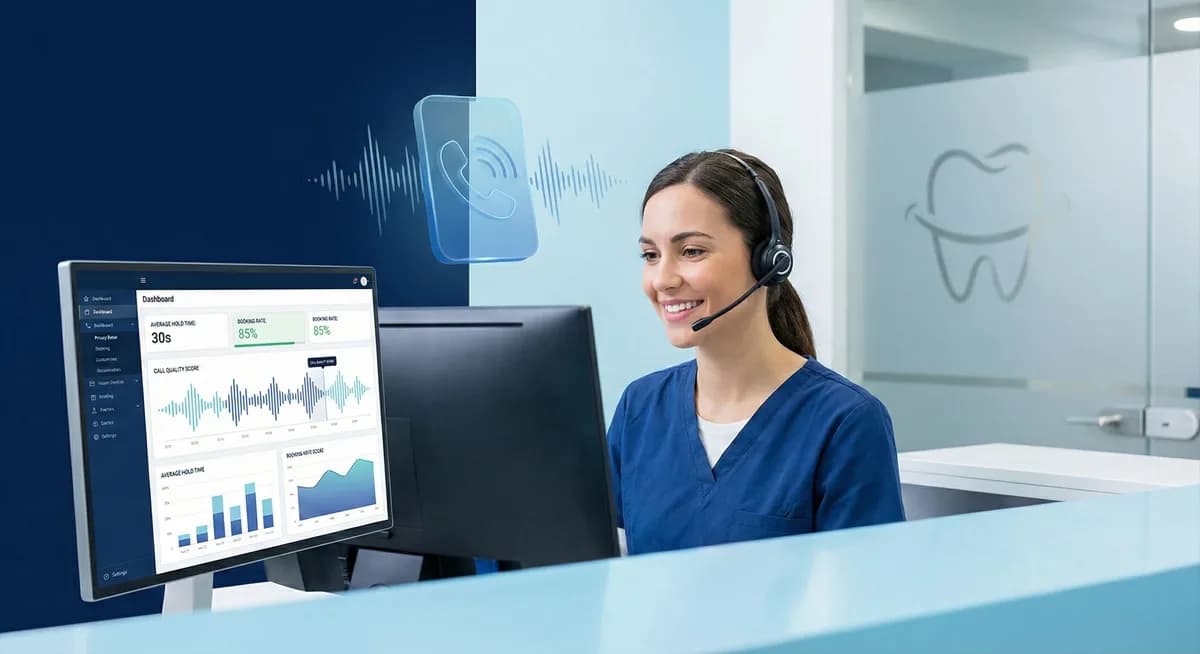
Trending analysis reveals improvement patterns and identifies areas needing additional attention. Track key metrics monthly. These include appointment booking rates, average call duration, patient satisfaction scores, and revenue per call. Create visual dashboards that make trends obvious to all team members.

Comparative analysis between high-performing and low-performing calls identifies specific behaviors that drive success. When practicesmeasure, score, improve everycall systematically, they often discover that successful calls share common elements. These include specific greeting phrases, particular information-gathering sequences, or closing techniques. These elements increase the likelihood of booking an appointment.

Implement continuous improvement cycles. Use call data to inform monthly training priorities, quarterly process updates, and annual strategic planning. This approach ensures that call performance improvements align with broader practice growth objectives.

Turning Call Scores Into Staff Training and Coaching

Converting call scoring data into effective training programs requires structured approaches. These address individual performance gaps while reinforcing practice-wide standards. The most impactful training programs use real call examples. They provide specific, actionable feedback that staff members can implement immediately.

Coaching Based on Real Calls

Individual coaching sessions using actual recorded calls provide powerful learning opportunities. Schedule monthly 30-minute sessions with each team member. Use this time to review 3-4 of their calls. Highlight both excellent interactions and improvement areas.

Focus on specific behaviors. For example: "In this call, notice how you gathered insurance information efficiently. But consider how asking about pain levels earlier might have helped prioritize scheduling."

Role-playing exercises based on low-scoring call scenarios are helpful. They help staff practice improved techniques in safe environments. Create scenarios derived from actual problematic calls, then have team members practice different approaches. This method builds confidence and muscle memory for challenging situations. This includes handling upset patients or explaining complex procedures.

Peer learning opportunitiesleverage high-performing team members as internal trainers. Have staff members with consistently high call scores share their techniques during team meetings. They can explain their thought processes and demonstrate effective phrases or approaches. This peer-to-peer learning often resonates more effectively than external training.

Tracking Improvement After Training

Before-and-after analysis measures training effectiveness. It compares call scores from the month before training with scores from the month after implementation. Focus on specific improvement areas addressed in training sessions. This helps determine which interventions deliver the strongest results.

Progressive improvement tracking monitors how individual team members advance over time. Create visual scorecards showing monthly improvement in specific areas. These include appointment booking rates, call completion percentages, or patient satisfaction indicators. Recognition of improvement progress motivates continued effort and reinforces positive changes.

Dental practices thatmeasure, score, improve everycall through systematic training programs see consistent results. They typically see month-over-month improvements in individual performance metrics and overall practice conversion rates. Many report sustained improvement that continues long after initial training completion.

Real-World Examples of Call Measurement in Dental Practices

Examining specific implementation examples demonstrates how different practices succeed. It shows how different sizes and types apply call measurement strategies to achieve measurable improvements in patient acquisition and satisfaction.

Single-Location Practice Example

Dr. Sarah Chen's general dentistry practice in suburban Dallas implemented comprehensive call tracking. This was after discovering that only 58% of new patient inquiries resulted in scheduled appointments. The three-provider practice receives approximately 45 calls daily. Peak volume occurs on Monday mornings and after lunch periods.

Implementation approach began with installing call recording software integrated with their Dentrix PMS system. The practice manager scored 20% of calls monthly using a standardized rubric. This focused on greeting professionalism, information gathering completeness, and appointment booking success. Initial analysis revealed that staff members frequently failed to offer multiple scheduling options. They also didn't adequately address insurance questions.

Targeted improvements included developing specific scripts for insurance discussions. They also trained staff to offer three different appointment time options. Finally, they implemented a callback system for patients who needed to check schedules. The practice also adjusted staffing to ensure two team members handled phones during peak periods.

Results after six months: The results after six months were significant. New patient conversion increased from 58% to 79%. Average call duration decreased by 15% due to more efficient information gathering. Patient complaints about phone service also dropped by 85%. The practice attributes $180,000 in additional annual revenue directly to call improvements.

Multi-Location Practice Example

Bright Smiles Dental Group operates four locations across metropolitan Phoenix with 12 providers total. Before implementing systematic call measurement, conversion rates varied dramatically between locations (45%-72%). Patient satisfaction scores related to phone service were also inconsistent.

Centralized measurement system using CallRail was integrated with their cloud-based PMS. This enabled location-specific reporting while maintaining corporate-level visibility. Each location manager scored calls using identical criteria. Monthly corporate meetings reviewed performance comparisons and shared successful techniques between locations.

Standardization effortsincluded unified phone scripts and consistent hold music and messaging. They also included coordinated training programs delivered simultaneously across all locations. The group also implemented cross-location scheduling capabilities. This allowed patients to book appointments at any location based on convenience.

Practices that measure, score, improve every call across multiple locations face additional complexity. However, they achieve substantial scale benefits through standardized processes, shared learning, and coordinated improvement initiatives. These drive consistent patient experiences regardless of location.

Conclusion: Building a Data-Driven Call Improvement Process

Implementing systematic call measurement and improvement processes transforms dental practices. They move from reactive to proactive in patient acquisition and satisfaction management. The practices that achieve sustained success follow structured approaches. These combine measurement discipline with targeted improvement actions.

Essential components of effective call improvement programs include consistent measurement protocols. These track both operational metrics and quality indicators. They also include standardized scoring systems that enable reliable performance evaluation. Finally, they involve regular training programs that translate data insights into improved staff performance. The most successful implementations integrate these components into routine practice operations. They do not treat them as separate initiatives.

Sustainable improvement requires commitment to ongoing measurement and adjustment. Establish monthly review cycles. These should analyze call performance trends, identify emerging issues, and celebrate improvement successes. Create accountability systems where call performance metrics influence staff evaluation and recognition programs. This ensures that phone excellence becomes part of the practice culture.

Technology investment should scale appropriately with practice size and growth objectives. Start with basic measurement tools that integrate with existing systems. Then, expand capabilities as the practice demonstrates commitment to call improvement and achieves initial success. The ROI from improved call conversion typically justifies technology investments within 3-6 months.

Dental practices that commit to measure, score, improve every patient call systematically position themselves for success. They gain a sustained competitive advantage in patient acquisition. The combination of data-driven insights, targeted training, and continuous improvement creates positive momentum. This benefits both practice growth and patient satisfaction.

Next steps for implementation include selecting appropriate measurement tools and training staff on new processes. It also involves establishing regular review schedules and setting realistic improvement targets. Begin with basic measurement and scoring, then expand the program as capabilities and confidence develop. The practices that start with systematic call improvement today will build sustainable competitive advantages. These advantages compound over time through enhanced patient acquisition and satisfaction.

Frequently Asked Questions

Dental offices measure phone call performance using call recording software, analytics dashboards, and scoring systems. Key methods include tracking call volume, duration, conversion rates, and appointment bookings. Many practices use specialized dental call tracking platforms that automatically score calls based on criteria like greeting quality, appointment scheduling success, and patient satisfaction. Regular manual review and automated scoring help identify improvement opportunities.

Essential metrics for dental patient calls include call conversion rate (calls to appointments), average call duration, first-call resolution rate, appointment show-up rates, and patient satisfaction scores. Other important metrics are call abandonment rate, response time, insurance verification accuracy, and revenue generated per call. These metrics help practices understand their phone performance and identify areas needing improvement for better patient experience and practice growth.

Recording dental patient calls is legal in most jurisdictions with proper consent and compliance. One-party consent states require only the practice's knowledge, while two-party consent states require informing patients. HIPAA compliance is crucial when recording calls containing protected health information. Best practices include clear consent notifications, secure storage, limited access controls, and documented retention policies. Always consult legal counsel for specific state requirements.

While average conversion rates for new patient calls can be around 50-53%, a good target for a high-performing dental practice is between 75% and 85%. Achieving this level often requires optimized call-handling processes, well-trained staff, and a focus on the patient experience from the first interaction.

Staff training based on call scores is most effective when it's specific and actionable. Key methods include one-on-one coaching sessions using recordings of actual calls to provide targeted feedback, role-playing exercises to practice handling difficult scenarios, and peer learning where high-performing team members share their successful techniques with the rest of the staff.

Was this article helpful?

DT

Written by

DentalBase Team

The DentalBase Team is a collective of dental marketing experts, AI developers, and practice management consultants dedicated to helping dental practices thrive in the digital age.