Complete Guide to AI for DSO Dental Practices in 2026
Discover how AI for DSO dental operations transforms multi-location practices. Learn implementation strategies, compliance requirements, and ROI considerations.
Share:
Table of contents
Introduction: AI's Role in Modern DSO Dental Care
AI for DSO dental operations represents a fundamental shift in dental care delivery. It transforms how multi-location practices manage operations and scale services nationwide. Dental Service Organizations are networks providing business support to multiple practices. They maintain clinical independence while supporting dozens or hundreds of locations. DSOs increasingly adopt artificial intelligence to address unique management challenges. These challenges arise from managing dozens or hundreds of locations simultaneously.
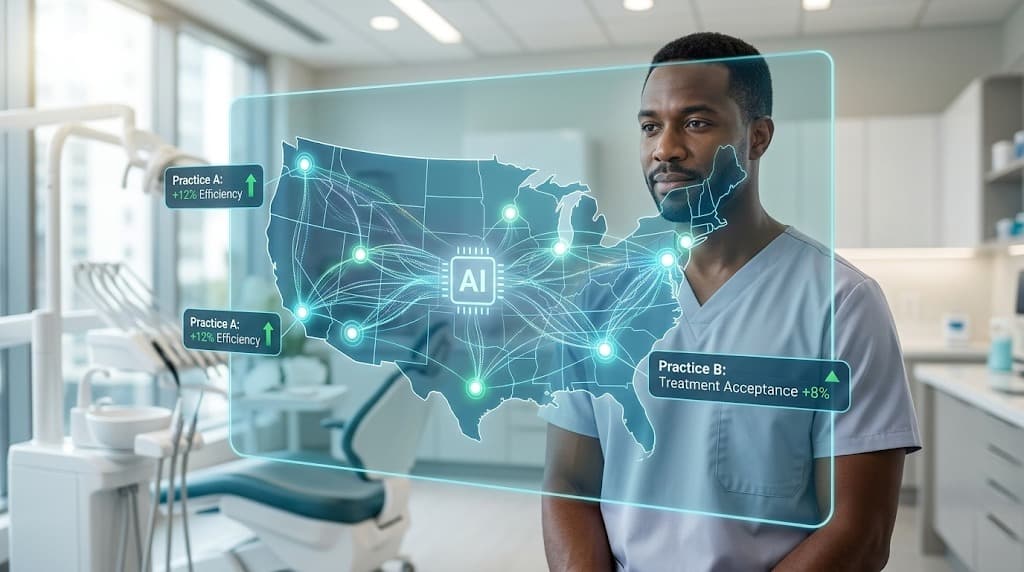
DSOs currently support over 15,000 dental practices nationwide. They serve millions of patients through centralized functions, standardized protocols, and economies of scale. The integration of AI for DSO dental networks offers unprecedented opportunities. It can streamline operations, enhance clinical decision-making, and improve patient experiences across affiliated locations.
This comprehensive guide examines how AI technologies specifically benefit DSO operations. Benefits include automated appointment scheduling, clinical diagnostics, financial management, and compliance monitoring. We'll explore real-world applications and implementation considerations for DSO leaders. We'll also cover regulatory requirements DSO leaders must understand when evaluating AI solutions. These insights support evaluations for their multi-practice networks and operations.
What Is AI for DSO Dental Organizations?
AI for DSO dental organizations includes machine learning and natural language processing. It also uses computer vision and predictive analytics for multi-location dental networks. These tools are specifically designed to address complex operations across multiple locations. The effective use of AI for DSO dental practices depends on this scalability. Unlike single-practice solutions, DSO-focused AI systems face different operational requirements. They must handle centralized data management and standardized workflows across locations. They also ensure consistent patient experiences across diverse geographic markets.
At its core, AI in DSO environments processes amounts of structured and unstructured data. These sources include clinical records, imaging files, scheduling patterns, and financial transactions. It identifies patterns, automates tasks, and delivers insights unattainable manually at hundreds of locations.
Core AI Technologies Used in Dentistry
Natural language processing systems extract clinical information from dictated notes. They automatically code procedures and identify potential compliance issues in documentation. Machine learning models predict appointment no-shows and optimize scheduling patterns. They forecast inventory needs across multiple practice locations.
Predictive analytics platforms are a cornerstone of AI for DSO dental strategies. They analyze historical patient data to identify individuals at risk for specific conditions, enabling proactive treatment planning and supporting preventive care protocols. These systems process millions of patient records simultaneously. They identify trends and patterns informing population health management strategies. These strategies support entire DSO networks.
How AI Differs From Traditional Dental Software
Traditional practice management systems operate as static databases. They store and retrieve information based on user inputs. AI systems, conversely, continuously learn from data patterns. They automatically generate insights and adapt recommendations based on new information. For DSOs, this means moving from reactive data management toward proactive systems that improve decision-making across all practice locations. This shift is a primary benefit of modern AI for DSO dental technology.
Common AI Use Cases Across DSO Dental Operations
DSO networks leverage AI across three primary operational domains. Clinical applications enhance diagnostic accuracy and treatment planning. Administrative functions streamline business processes. Meanwhile, patient engagement systems improve satisfaction and retention rates.
Administrative and Financial Applications
Appointment optimization algorithms analyze scheduling patterns and provider productivity data. They also consider patient preferences to maximize chair utilization across the DSO network. These systems automatically adjust appointment types and durations based on historical data. This reduces schedule gaps while accommodating emergency appointments more effectively.
Revenue cycle management (RCM) is another key application of AI for DSO dental operations. RCM AI automates claims processing and payment posting. It also identifies patterns indicating potential compliance issues or billing errors. For large DSOs processing thousands of claims monthly, these systems significantly reduce administrative overhead. They improve cash flow and reduce claim rejections.
Inventory management platforms use predictive analytics to optimize supply ordering across multiple locations. This approach reduces carrying costs while preventing stockouts of critical materials. These systems automatically generate purchase orders by analyzing usage patterns and seasonal variations. They also consider procedure volumes to redistribute inventory between locations as needed.
Patient Experience Applications
AI-powered chatbots and virtual assistants handle routine patient inquiries and appointment scheduling. They also manage follow-up communications across all DSO locations. These systems provide consistent responses to common questions. This frees front desk staff to focus on more complex patient interactions. Advanced systems can even conduct preliminary symptom assessments and recommend appropriate appointment types or urgency levels.
Not sure where to start with AI across multiple locations?
Schedule a free consultation to identify the highest-ROI use cases for your DSO and build a phased rollout plan.
AI Tools and Capabilities Compared for DSOs
The AI for DSO dental technology landscape includes practice management enhancements, patient communication systems, and clinical decision support tools. Each category offers distinct capabilities that address specific operational challenges faced by multi-location dental networks.
| AI Tool Category | Primary Function | Integration Requirements | Typical ROI Timeline |
|---|---|---|---|
| Appointment Optimization | Schedule management and patient flow | Practice management system | 3-6 months |
| Patient Communication | Automated messaging and chatbots | Phone systems and PMS | 3-9 months |
| Clinical Decision Support | Treatment recommendations and alerts | Electronic health records | 12-18 months |
| Revenue Cycle Management | Claims processing and billing optimization | Billing software and clearinghouses | 6-12 months |
Practice management AI typically integrates with existing systems through APIs or direct database connections. The complexity of integration varies significantly. It depends on the DSO's current technology stack and the AI vendor's compatibility with major dental software platforms like Dentrix, Eaglesoft, or Open Dental.
Most AI solutions require initial training periods where algorithms learn from the DSO's historical data patterns. This training phase can last several weeks to months, depending on data quality and system complexity. DSOs with standardized protocols and clean data sets typically experience faster implementation timelines and more accurate initial performance.
Compliance, Data Privacy, and Risk Considerations
AI for DSO dental implementations must navigate complex regulatory requirements and data governance protocols. They also need risk management frameworks that protect patient information while ensuring clinical efficacy. The multi-state, multi-location nature of DSO operations adds additional compliance layers that single-practice AI deployments do not face.
Regulatory Requirements in the United States
The FDA regulates AI software as medical devices when it's intended for diagnostic or treatment planning purposes. Class II devices, which include most diagnostic imaging AI systems, require 510(k) clearance demonstrating substantial equivalence to existing approved devices. DSOs must verify that any AI diagnostic tools have appropriate FDA clearances before implementation across their networks.
HIPAA compliance becomes more complex with AI systems that process protected health information across multiple jurisdictions. Business Associate Agreements (BAAs) must clearly define how AI vendors handle, store, and transmit patient data. DSOs must ensure that cloud-based AI services meet HIPAA's administrative, physical, and technical safeguards. This is particularly important when data crosses state lines or is processed by third-party vendors. Maintaining strict HIPAA compliance is non-negotiable.
State dental board regulations vary regarding AI use in clinical decision-making. Some states require specific documentation when AI systems influence diagnosis or treatment planning. Others mandate continuing education for practitioners using these AI tools. DSOs operating across multiple states must maintain compliance with the most restrictive requirements in their service areas.
Data Governance for Multi-Location DSOs
Centralized data governance frameworks become critical when implementing AI for DSO dental solutions across multiple practice locations. DSOs must establish standardized data collection protocols, quality assurance procedures, and access controls. These measures ensure consistent AI performance while protecting patient privacy. This includes defining data retention policies, audit trails, and incident response procedures for potential data breaches or system failures.
Data quality directly impacts the performance and reliability of any AI for DSO dental system. DSOs must implement validation procedures to ensure consistent data entry practices across all locations. They also need regular data cleansing protocols and ongoing monitoring systems that identify potential accuracy issues. Poor data quality can lead to unreliable AI recommendations, potentially compromising patient care and exposing the organization to liability risks.
Vendor management processes must address data sovereignty, processing locations, and cross-border data transfers. Many AI systems use cloud computing resources that may process data in multiple geographic locations. This can create potential compliance challenges for DSOs. These challenges arise when operating under strict state privacy regulations or serving patients with specific data residency requirements.
Want to avoid compliance surprises during rollout?
Request an AI compliance readiness review to validate HIPAA/BAA requirements, data governance controls, and audit expectations across your states and locations.
Implementation Considerations for DSO Leaders
Successful AI for DSO dental implementation requires a systematic evaluation of organizational readiness and phased deployment strategies. It also demands comprehensive change management protocols. These protocols must address the unique challenges of multi-location healthcare networks.
Assessing Organizational Readiness
Technical infrastructure assessment begins with evaluating current IT systems, network capacity, and data management capabilities across all practice locations. DSOs must determine whether existing hardware can support AI processing requirements or if significant upgrades are necessary. Network bandwidth becomes particularly critical for image-intensive AI applications that require real-time processing and feedback.
Staff readiness involves assessing current technology adoption patterns, training requirements, and change management capabilities at both corporate and practice levels. DSOs should conduct pilot programs at select locations to identify training needs, workflow adjustments, and potential resistance points before network-wide deployment.
A common implementation mistake involves attempting to deploy AI solutions across all locations simultaneously without adequate testing and refinement. Successful DSOs typically select 2-3 representative practices for initial deployment. This allows time to identify and resolve integration issues, train super-users, and develop standardized protocols before a broader rollout.
Data preparation often requires significant effort to clean, standardize, and organize historical records for AI training purposes. DSOs with inconsistent documentation practices or multiple legacy systems may need several months of data preparation before AI systems can function effectively.
Measuring Outcomes and Performance
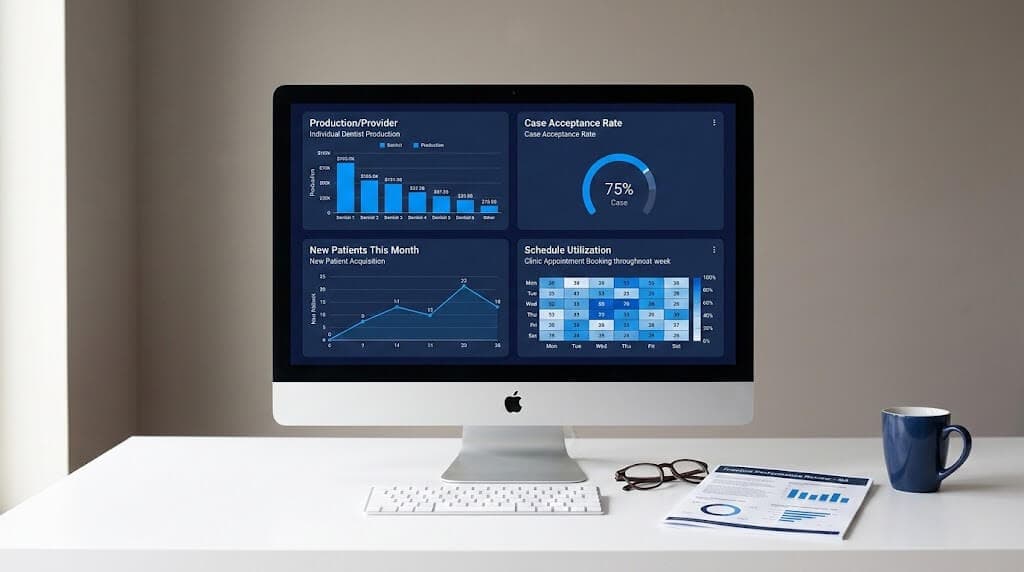
KPI frameworks for AI for DSO dental implementation should include both operational efficiency metrics and clinical outcome measures. Operational metrics might include diagnostic accuracy improvements, scheduling optimization results, and administrative time savings. Clinical measures could encompass case acceptance rates, treatment completion percentages, and patient satisfaction scores.
ROI calculations must account for both direct cost savings and indirect benefits like improved patient retention, enhanced provider productivity, and reduced liability exposure. Many DSOs find that soft benefits, such as standardized care protocols and reduced provider variability, provide significant long-term value that may not be immediately quantifiable.
Continuous monitoring systems should track AI performance over time. This helps identify potential degradation in accuracy or effectiveness that might indicate system updates or retraining requirements. DSOs must establish protocols for regular performance reviews and vendor accountability measures that ensure sustained value from their AI investments.
Conclusion: What AI Means for the Future of DSO Dental
AI for DSO dental operations represents a strategic opportunity to enhance clinical outcomes, operational efficiency, and patient experiences across multi-location networks. The technology's ability to standardize care protocols, optimize resource utilization, and provide data-driven insights is key. It addresses many of the fundamental challenges that DSOs face in managing large-scale dental operations.
Successful AI implementation requires careful attention to compliance requirements, systematic change management, and ongoing performance monitoring. DSOs that approach AI adoption with realistic expectations, adequate preparation, and phased deployment strategies are more likely to achieve sustainable benefits and positive return on investment.
The regulatory landscape for AI for DSO dental applications continues evolving, with new FDA guidelines, state regulations, and industry standards emerging regularly. DSO leaders must maintain awareness of these developments while building flexible systems that can adapt to changing requirements.
For DSOs considering AI adoption, the key is starting with specific, well-defined use cases that address clear operational challenges. Successful organizations do not pursue comprehensive AI transformation immediately. They typically begin with diagnostic imaging or appointment optimization applications. This helps build expertise and confidence before expanding to more complex clinical decision support systems.
The future of dental service organizations will likely be shaped by their ability to leverage AI technologies effectively while maintaining the personal, relationship-based care that patients expect. DSOs that can balance technological advancement with human-centered care delivery will be well-positioned for sustainable growth in an increasingly competitive healthcare marketplace.
Turn AI into measurable improvements across your network.
Book a strategy call to map your DSO’s implementation roadmap, define KPIs, and prioritize pilots that improve efficiency, standardize workflows, and boost patient experience.
Frequently Asked Questions
AI is used in dental organizations for diagnostic imaging analysis, appointment scheduling optimization, treatment planning, patient communication automation, and practice management. DSOs particularly benefit from AI's ability to standardize care across multiple locations, analyze radiographs for early disease detection, predict treatment outcomes, and streamline administrative workflows to improve efficiency and patient care quality.
Yes, AI is allowed in dental diagnosis in the US, but with FDA oversight. AI diagnostic tools must receive FDA clearance before clinical use. Currently, several AI systems are FDA-approved for dental imaging analysis, particularly for detecting caries, periodontal disease, and other oral conditions. However, AI serves as an assistive tool - final diagnostic decisions must still be made by licensed dental professionals.
Key risks of AI in dentistry include potential diagnostic errors from algorithm bias, over-reliance on technology reducing clinical judgment, patient data privacy concerns, liability issues when AI recommendations lead to adverse outcomes, and the need for continuous training and validation. DSOs must implement proper oversight, maintain human expertise, ensure data security, and establish clear protocols for AI-assisted decision making.
Yes, DSOs can effectively use AI across multiple locations, which is actually one of their key advantages. Centralized AI systems allow DSOs to standardize care protocols, share diagnostic insights, optimize scheduling across practices, maintain consistent quality metrics, and leverage aggregated data for better decision-making. This scalability makes AI particularly valuable for multi-location dental service organizations.
DSOs can measure the ROI for AI by tracking key performance indicators (KPIs) across several domains. Financially, this includes measuring increased revenue from higher case acceptance rates and improved claim processing, alongside cost savings from optimized scheduling and reduced administrative overhead. Operationally, ROI is seen in improved chair utilization and staff productivity. Clinically, DSOs can track metrics like diagnostic consistency and patient satisfaction scores to quantify the long-term value of their AI investment.
Was this article helpful?
Written by
DentalBase Team
The DentalBase Team is a collective of dental marketing experts, AI developers, and practice management consultants dedicated to helping dental practices thrive in the digital age.