Best AI Dental Receptionist For Reducing Appointment No-Shows
Discover the best AI dental receptionist for reducing appointment no-shows. Compare features, compliance requirements, and implementation strategies.
Share:
Table of contents
Introduction: Reducing Dental No-Shows With AI
Appointment no-shows cost dental practices an average of $200 per missed appointment. According to the American Dental Association, typical no-show rates range from 15–25%. A practice scheduling 100 weekly appointments can lose $3,000–5,000 each month. Choosing the best AI dental receptionist for reducing appointment no-shows helps address this costly challenge. It automates patient communication and sends strategic reminders. It also enables real-time rescheduling to keep chairs filled.
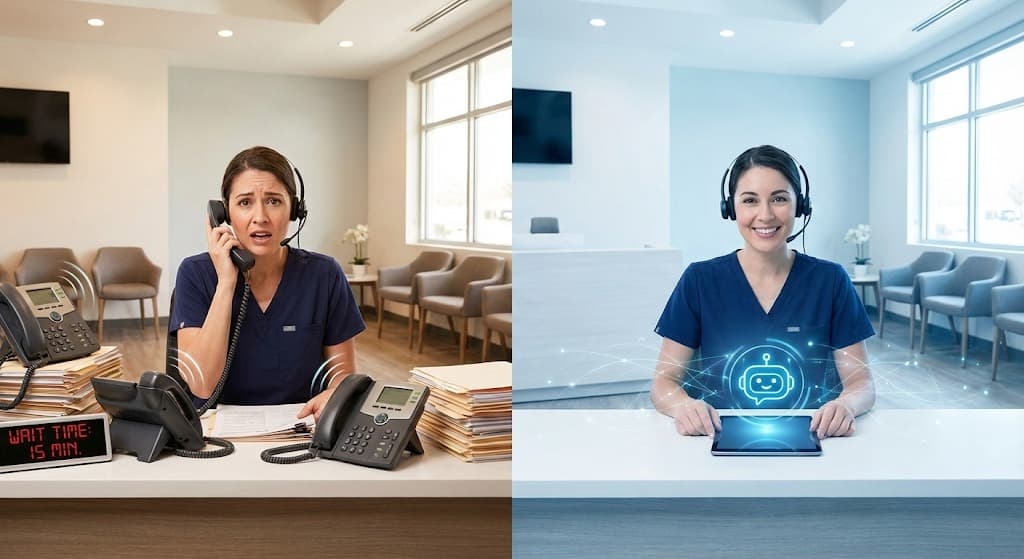
Traditional front-desk workflows rely on manual phone calls and basic reminder systems. These systems often fail to engage patients effectively. Human receptionists struggle to manage consistent follow-up schedules. They also struggle to personalize communication timing or track response patterns. These challenges span across patient demographics. These gaps directly contribute to higher no-show rates and reduced practice profitability. That impact is why many offices now evaluate the best AI dental receptionist for reducing appointment no-shows.
What Is an AI Dental Receptionist?
An AI dental receptionist is a software platform that automates patient communication tasks. It also manages appointment management tasks traditionally handled by human staff. These systems use natural language processing, machine learning algorithms, and integration capabilities. They manage scheduling, send reminders, answer basic patient questions, and handle routine administrative tasks. This work occurs without human intervention, forming the functional foundation.
Core Functions in a Dental Office
AI dental receptionists handle multiple operational workflows simultaneously. They manage appointment confirmations through text messages, emails, and voice calls. Those responses automatically update patient records within the system accordingly. These systems process insurance verification requests, send pre-appointment forms, and collect patient feedback after visits.
Advanced platforms integrate with practice management software to access patient history. They also access treatment notes and billing information when needed. This enables personalized communication referencing specific procedures or payment plans.
This technology operates 24/7, responding to patient inquiries outside office hours. And it manages appointment requests through online portals. When patients attempt to reschedule, AI receptionists access real-time calendar data. They offer alternative time slots to reduce back-and-forth communication. This communication often leads to appointment abandonment.
How AI Differs From Traditional Reception Tools
Traditional appointment reminder systems send generic messages at predetermined intervals. These systems do not analyze patient response patterns or engagement levels. AI receptionists learn from patient behavior. They adjust communication frequency, timing, and messaging tone using historical data. For example, some patients respond better to texts sent 24 hours before appointments. Others respond less to messages sent 48 hours before appointments. The AI automatically adjusts future communications based on these responses. This capability distinguishes the AI dental receptionist platforms from basic automation tools.
Unlike static automated systems, the best AI dental receptionists engage in conversational interactions. They answer patient questions about office hours, insurance coverage, and preparation instructions. These instructions apply to specific procedures. This interactive capability reduces the volume of calls requiring human staff attention. It maintains high-quality patient service standards.
How AI Receptionists Help Reduce Appointment No-Shows
Patient no-shows stem from multiple behavioral and logistical factors. AI receptionists address these factors through systematic automation. Research published in the Journal of Medical Internet Research evaluates personalized, multi-channel reminder systems. These systems reduce no-show rates by 23-42% compared to single-method approaches.
Automated Reminders and Confirmations
The best AI dental receptionist platforms deploy reminder sequences that adapt to patient preferences and response patterns. These systems send initial confirmations 1-2 weeks before appointments. Strategic reminders follow at 48 hours, 24 hours, and 2 hours before scheduled visits. Each communication includes specific appointment details, preparation instructions, and easy rescheduling options.
AI systems analyze patient demographics, appointment history, and previous response data to optimize reminder timing. Patients who frequently reschedule might receive earlier initial reminders, while reliable patients get standard sequences. The technology tracks communication methods (text, email, voice call), generating the highest confirmation rates. It adjusts delivery channels automatically for different patient segments.
Real-Time Rescheduling and Follow-Up
When patients indicate they cannot attend scheduled appointments. AI receptionists immediately access calendar availability and offer alternative time slots. This real-time rescheduling capability prevents appointment abandonment. Abandonment often occurs when patients must call during business hours to reschedule. The system automatically updates practice management software and notifies staff of changes.
For patients who miss appointments without notice, AI receptionists trigger immediate follow-up sequences. These communications combine empathy with practical rescheduling options. They often recover 30-40% of through persistent, respectful outreach. The system tracks patient response patterns to no-show follow-ups. It identifies patients needing different communication approaches or additional support. This helps maintain regular dental care.
Want to reduce no-shows fast?
Schedule a free consultation to audit your current reminder workflow, identify your biggest drop-off points (after-hours, confirmations, reschedules), and map an AI-driven follow-up sequence that keeps your schedule full.
Key Features: The Best AI Dental Receptionist for Reducing Appointment No-Shows
Selecting the best AI dental receptionist for reducing appointment no-shows requires evaluating platforms carefully. Focus on specific operational capabilities that directly impact no-show reduction. These capabilities also affect overall practice efficiency. Not all AI solutions offer the same feature depth or integration capabilities. Careful comparison is essential for achieving measurable results.
Essential No-Show Reduction Features
1- Multi-channel communication capabilities: Sending reminders through text messages, emails, phone calls, and patient portal notifications. The platform should offer customizable reminder sequences with different timing options for various appointment types. Emergency appointments might require different reminder schedules than routine cleanings or complex procedures.
2- Two-way communication functionality: Allows patients to confirm, cancel, or reschedule appointments directly through reminder messages without calling the office. This feature significantly reduces friction in the appointment management process, as patients can respond immediately when convenient rather than remembering to call during business hours.
3- Intelligent scheduling algorithms: Should analyze patient history, appointment patterns, and seasonal trends to predict optimal appointment times for individual patients. Some platforms use machine learning to identify patients at high risk for no-shows based on factors such as appointment frequency, previous cancellation patterns, and demographic data.
Feature Comparison Framework
When evaluating AI dental receptionist platforms, compare integration capabilities with existing practice management systems. Seamless data synchronization ensures patient information remains current across all platforms without manual data entry. The system should automatically update patient records with communication history, response preferences, and appointment changes.
Reporting and analytics capabilities distinguish advanced platforms from basic reminder systems. Look for solutions that provide detailed metrics on reminder effectiveness, response rates by communication channel, no-show trends by patient demographic, and overall appointment attendance improvements. This data enables continuous optimization of communication strategies and demonstrates return on investment to practice stakeholders.
Compliance, Privacy, and Risk Considerations
Healthcare AI solutions must navigate complex regulatory requirements while maintaining high security standards for patient data. The best AI dental receptionist platforms prioritize compliance with federal regulations and industry standards, ensuring practices avoid potential violations that could result in significant penalties.
HIPAA and Patient Data Handling
All AI dental receptionist communications involving patient health information must comply with HIPAA privacy and security rules. This includes appointment details, treatment reminders, and any references to specific procedures or conditions. Compliant platforms encrypt all data transmission, maintain detailed audit logs of system access, and provide business associate agreements that clearly define responsibilities for data protection.
Cloud-based AI platforms must demonstrate SOC 2 Type II certification or equivalent security standards, ensuring robust controls for data access, processing, and storage. The system should offer granular permission settings, allowing practices to control which staff members can access different types of patient data and communication histories.
Data retention policies must align with practice requirements and state regulations, automatically purging communication records according to predetermined schedules while maintaining necessary audit trails for compliance documentation. Some platforms offer data residency options, allowing practices to specify geographic locations for data storage to meet local regulatory requirements.
Consent and Communication Rules
Patient consent for automated communications must be documented and easily accessible within the AI platform. The system should track opt-in preferences for different communication channels, respecting patient choices about text messages, emails, and phone calls. Patients must have simple options to modify communication preferences or opt out of automated messaging while maintaining essential appointment notifications.
Telephone Consumer Protection Act (TCPA) compliance requires careful management of automated calling and texting capabilities. AI dental receptionists must maintain updated consent records, respect call time restrictions, and provide clear opt-out mechanisms for all communications. The platform should automatically suppress communications to patients who have withdrawn consent, preventing potential TCPA violations that can result in substantial financial penalties.
Meaningful consent extends beyond simple agreement checkboxes, requiring clear explanations of communication frequency, content types, and data usage. Compliant platforms provide consent management tools that document when and how patients agreed to automated communications, supporting legal protection for practices.
Real-World Scenarios: AI Receptionists in Dental Practices
Understanding how AI dental receptionists perform in actual practice environments helps illustrate their practical impact on appointment attendance and operational efficiency. These scenarios demonstrate the measurable benefits that distinguish the best AI dental receptionist solutions from basic automation tools.
Small Practice
Seeing how AI dental receptionists perform in real practice settings helps clarify where they create the biggest impact on attendance and day-to-day operations. In small practice offices, missed appointments are driven by inconsistent reminders, limited after-hours access, and friction in rescheduling. AI receptionists reduce those gaps by delivering consistent outreach, enabling two-way confirmations, and offering immediate alternative time slots when patients can’t make their original appointment.
Multi-Location Practice
For multi-location groups, the biggest challenge is usually consistency; different teams may follow different reminder processes, leading to uneven no-show rates across offices. With an AI receptionist, the organization standardizes messaging and timing across sites while still allowing location-specific customization (hours, providers, languages, appointment rules). Central reporting highlights which locations and patient segments respond best to which channels, helping leadership refine workflows and replicate best practices systemwide.
Implementation and Measurement Best Practices
Successful AI dental receptionist deployment requires systematic planning, staff training, and ongoing optimization based on performance data. The best AI dental receptionist implementations follow structured approaches that minimize disruption while maximizing patient attendance improvements.
Implementation Steps
Begin implementation with comprehensive data integration between the AI platform and existing practice management software. This process typically requires 2-4 weeks, including data mapping, system testing, and staff training on new workflows. Export historical appointment data to enable the AI system to analyze patient patterns and establish baseline communication preferences.
Develop customized message templates for different appointment types, ensuring communication tone aligns with practice branding and patient demographics. Test automated sequences with a small patient subset before full deployment, monitoring response rates and adjusting timing or messaging based on initial feedback.
Train all staff members on the AI platform interface, emphasizing how automated communications integrate with daily workflows. Receptionists should understand how to handle exceptions, manage patient complaints about automated messages, and override system recommendations when necessary. Establish clear protocols for escalating scheduling issues that exceed AI capabilities.
Measuring No-Show Reduction
- Track baseline no-show rates for at least three months before AI implementation to establish accurate comparison metrics.
- Monitor appointment attendance by patient demographic, appointment type, and day of week to identify specific areas where AI communication provides the greatest impact. Most practices see initial improvements within 30-60 days, with optimal results achieved after 3-6 months of system learning.
- Analyze communication channel effectiveness, comparing response rates for text messages, emails, and phone calls across different patient segments. Use this data to optimize future communication strategies, focusing resources on channels that generate the highest patient engagement.
| Metric | Measurement Method | Target Improvement |
|---|---|---|
| Overall No-Show Rate | Monthly appointment attendance percentage | 20-40% reduction |
| Response Rate | Confirmation percentage by communication channel | 60-80% patient response |
| Staff Time Savings | Hours spent on manual reminder calls | 50-70% reduction |
| Revenue Recovery | Value of prevented no-show appointments | $2,000-5,000 monthly |
DentiVoice: AI Receptionist Built to Reduce No-Shows
DentiVoice provides an AI-powered dental receptionist specifically designed to reduce appointment no-shows while maintaining HIPAA compliance and seamless practice management integration.
Our platform combines intelligent communication automation with comprehensive analytics, enabling dental practices to achieve measurable improvements in patient attendance and operational efficiency.
Our AI dental receptionist offers multi-channel reminder sequences, two-way patient communication, and real-time rescheduling capabilities that adapt to individual patient preferences and behavior patterns. The system integrates with major practice management software platforms, ensuring automated workflows enhance rather than disrupt existing operations.
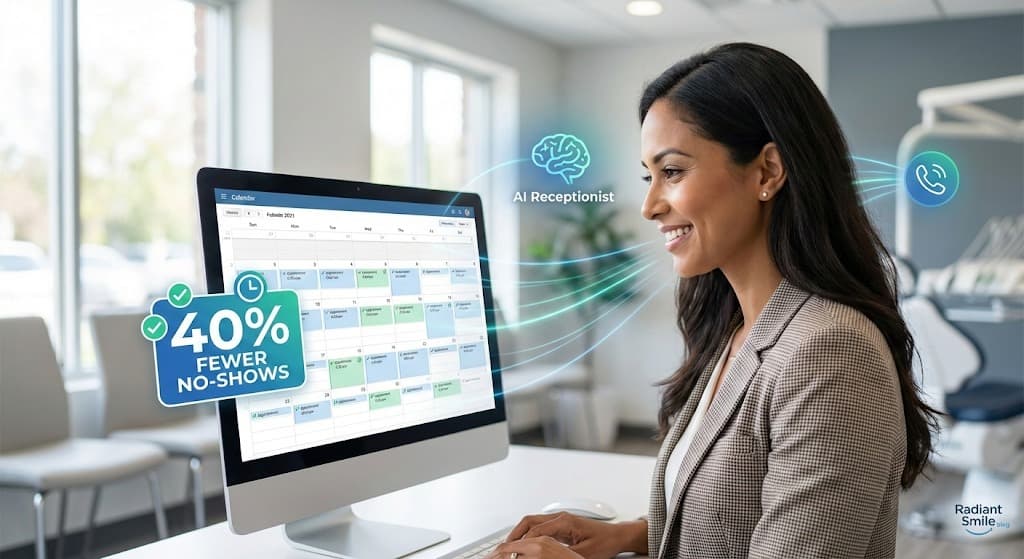
DentiVoice clients typically achieve 25-40% reductions in appointment no-shows within the first six months of implementation. Our platform provides detailed reporting on communication effectiveness, patient response patterns, and revenue recovery metrics, enabling continuous optimization of appointment management strategies. The solution includes comprehensive staff training, ongoing technical support, and regular performance consultations to ensure maximum return on investment.
Ready to see it working end-to-end?
Book a DentiVoice demo to watch live no-show prevention in action, two-way confirmations, instant rescheduling, and PMS syncing, so you can verify the workflow before you switch.
Conclusion: Choosing the Right AI Dental Receptionist
Selecting the best AI dental receptionist for reducing appointment no-shows requires careful evaluation of platform capabilities, compliance features, and integration requirements specific to dental practice operations. The most effective solutions combine intelligent automation with comprehensive reporting, enabling practices to achieve sustained improvements in appointment attendance while maintaining high patient service standards.
Successful AI receptionist implementations demonstrate measurable ROI through reduced no-show rates, improved staff efficiency, and enhanced patient satisfaction. Practices that achieve optimal results prioritize platforms offering HIPAA compliance, multi-channel communication capabilities, and seamless practice management integration. These features ensure automated systems enhance rather than complicate existing workflows.
The investment in AI dental receptionist technology pays dividends through recovered appointment revenue, reduced staff workload, and improved patient relationships. Practices experiencing 15-25% no-show rates can realistically expect 20-40% improvements within six months of proper implementation, translating to thousands of dollars in monthly revenue recovery.
When evaluating AI dental receptionist platforms, focus on vendors with specific healthcare experience, demonstrated compliance capabilities, and comprehensive support services. The technology should grow with your practice needs, offering scalable solutions for single-location offices and multi-site operations alike.
Frequently Asked Questions
AI dental receptionists reduce no-shows through automated appointment confirmations, intelligent reminder sequences, and real-time rescheduling capabilities. They send personalized SMS and email reminders at optimal times, handle last-minute cancellations instantly, and maintain consistent follow-up communication. Studies show that automated patient reminders can reduce missed appointments by up to 41% on average.
Yes, reputable AI dental receptionist systems are designed to be HIPAA compliant. They use encrypted data transmission, secure storage protocols, and access controls to protect patient information. However, dental practices must verify that their chosen AI solution includes proper Business Associate Agreements (BAAs), data encryption, and audit trails to ensure full compliance with healthcare privacy regulations.
The most important features for appointment confirmations include multi-channel communication (SMS, email, voice calls), automated reminder sequences at 48-hour and 24-hour intervals, two-way communication for easy rescheduling, personalized messaging with patient names and appointment details, and real-time integration with practice management systems to prevent scheduling conflicts and maintain accurate patient records.
Was this article helpful?
Written by
DentalBase Team
The DentalBase Team is a collective of dental marketing experts, AI developers, and practice management consultants dedicated to helping dental practices thrive in the digital age.