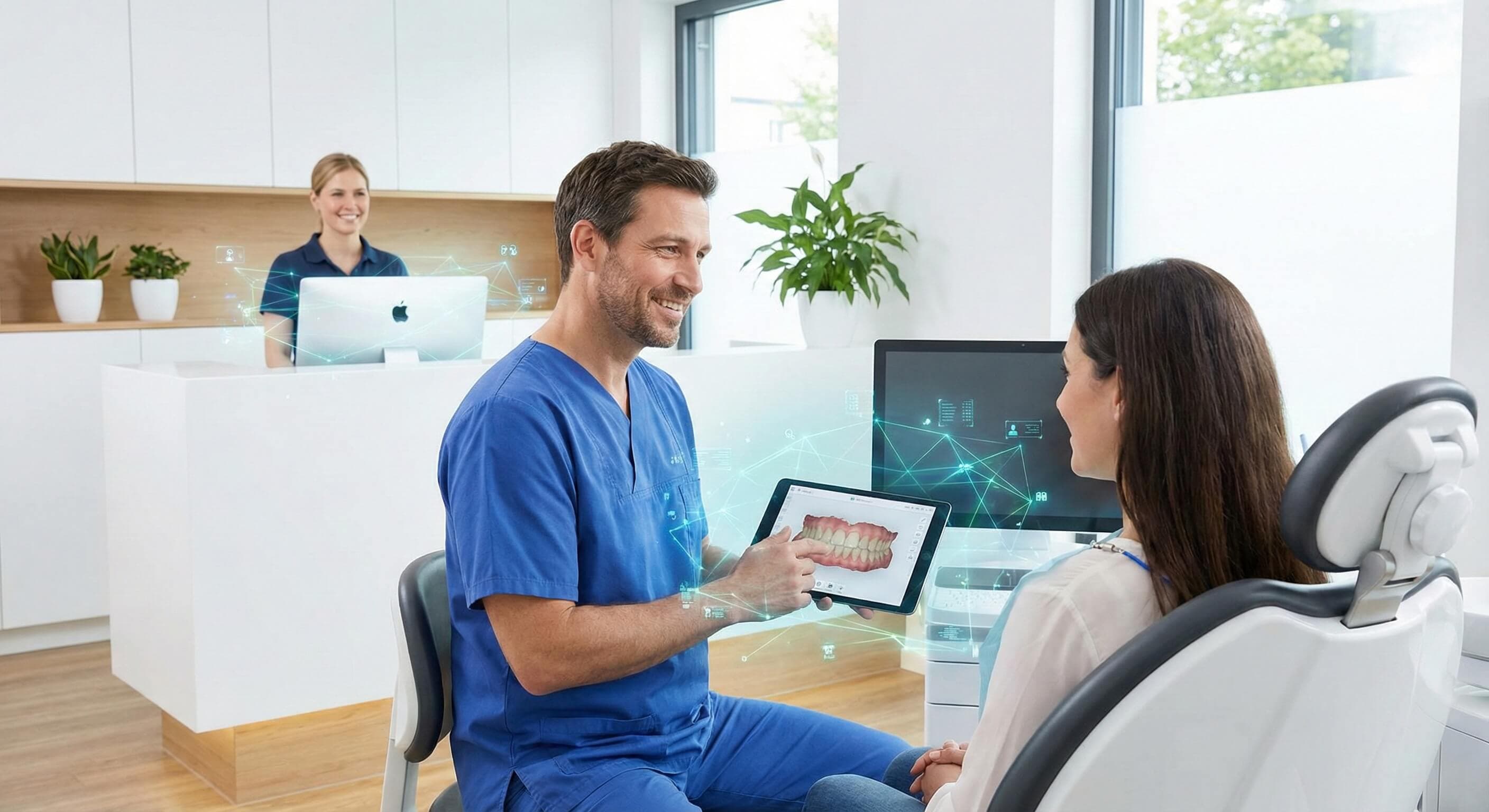
Dental Patient Care: A Complete How-To Guide
Learn how modern dental patient care works, from the 2-2-2 rule to accessing affordable treatment. Complete guide for patients and dental practices.
Share:
Table of contents
Introduction to Dental Patient Care
Dental patient care encompasses every aspect of how s support patients. This support spans from the first scheduling call through post-treatment follow-up. Effective dental care delivers clinical excellence and helps patients feel comfortable, informed, and valued.
Modern patient-centered care in dentistry goes beyond simply treating teeth and gums. It involves understanding each patient's unique needs, concerns, and circumstances. This approach recognizes successful oral health outcomes depend on clinical expertise. It also depends on the patient experience.
This comprehensive guide explores what dental patient care means in today's practices. It covers essential preventive care rules patients should follow consistently. The guide also explains options for accessing affordable dental treatment. It examines how technology is transforming the today. Dental professionals can use it to enhance their patient care approach. Patients can also use it to better understand their oral health journey. The guide provides practical insights and actionable information to improve dental care outcomes.
What Patient Care Means in Modern Dental Practices
What Patient Care Means in Dentistry
Dental patient care refers to a comprehensive approach used by dental practices. It addresses patients' clinical needs, as well as their emotional, educational, and logistical needs. According to the American Dental Association (ADA), patient-centered care emphasizes respect for patients' values. It respects preferences and expressed needs, while coordinating care across providers and settings.
Effective dental patient care starts with active listening. Dental professionals must understand each patient's concerns, fears, and goals. This includes recognizing that many patients experience dental anxiety. They may need additional support to feel comfortable during treatment.
Scope of Dental Patient Care Services
Modern dental patient care encompasses preventive services like cleanings and fluoride treatments. It also includes restorative procedures, including fillings and crowns, and specialized treatments. These specialized treatments include orthodontics or oral surgery. However, the scope extends beyond clinical procedures. It includes patient education, treatment planning discussions, insurance coordination, and ongoing communication.
Patient care also involves creating accessible office environments and accommodating patients with disabilities. It also includes providing clear information about treatment options and costs. This holistic approach recognizes oral health's connection to overall health. It also acknowledges impacts on quality of life.
Clinical Quality vs Patient Experience
Clinical excellence remains fundamental, but research highlights the importance of patient satisfaction. Patient satisfaction strongly correlates with treatment compliance and long-term oral health outcomes. The Centers for Disease Control and Prevention (CDC) emphasizes effective patient engagement. Effective patient engagement leads to better preventive care adherence and reduced emergency dental visits.
Core Components of Quality Dental Patient Care
Clinical Excellence and Safety
The foundation of dental patient care rests on maintaining the highest clinical standards. It also depends on safety protocols. This includes following established by the CDC. It also includes guidelines from the Occupational Safety and Health Administration (OSHA). Dental practices must implement proper sterilization procedures and use personal protective equipment. They must also maintain clean treatment environments.
Clinical excellence also requires staying current with evidence-based treatment approaches and continuing education. The ADA requires dentists to complete ongoing professional development. This ensures they provide care reflecting the latest research and best practices.
Patient safety extends to proper documentation, accurate diagnosis, and appropriate treatment planning. This includes conducting thorough medical history reviews and identifying potential drug interactions. And recognizing when referrals to specialists are necessary.
Communication and Patient Education
Effective communication forms the cornerstone of quality dental patient care. Patients need clear explanations of their oral health status, treatment options, and expected outcomes. This includes using language patients can understand and avoiding excessive dental terminology.
Patient education involves teaching proper oral hygiene techniques and providing guidance on preventive care. It also explains the connection between oral health and systemic health. Visual aids, educational materials, and demonstration tools help patients better understand their treatment needs.
Transparent communication about costs, insurance coverage, and payment options helps patients. It enables them to make informed decisions about their care. This includes providing written treatment plans and estimates before beginning procedures.
Daily and Preventive Dental Care Rules Explained
The 2-2-2 Rule in Dentistry
The 2-2-2 rule is a fundamental principle in preventive dental patient care. It means brushing for two minutes, twice daily, and replacing toothbrush every two months. This simple guideline helps patients maintain consistent oral hygiene habits. These habits help effectively prevent tooth decay and gum disease.
Brushing for a full 2 minutes ensures adequate plaque removal from all tooth surfaces. Many patients brush for only 30-45 seconds, which isn't sufficient for thorough cleaning. Using a timer or electric toothbrush with a built-in timer helps patients meet this standard.
Replacing toothbrushes every 2 months, or after illness, maintains brushing effectiveness. Worn bristles become less effective at removing plaque and bacteria, potentially compromising oral health outcomes.
The 3-3-3 Rule for Teeth
The 3-3-3 rule offers additional guidance for optimal oral care. Wait 3 minutes after eating before brushing your teeth. Brush for 3 minutes, though 2 minutes is widely accepted as sufficient. Avoid eating for 3 hours before bedtime. This rule helps protect tooth enamel and reduces cavity risk.
Waiting after eating prevents brushing away softened enamel, particularly after consuming acidic foods or beverages. This waiting period allows saliva to neutralize acids and re-harden enamel surfaces.
The nighttime eating guideline recognizes that saliva production decreases during sleep, reducing the mouth's natural cleaning and neutralizing abilities. Foods consumed close to bedtime have extended contact with teeth, increasing decay risk.
Accessing Dental Patient Care With Limited Finances
Common Financial Barriers to Dental Care
Financial constraints represent the most significant barrier to accessingdental patient carein the United States. According to the National Institute of Dental and Craniofacial Research, cost prevents millions of Americans from receiving necessary dental treatment annually.
Many patients lack dental insurance or have limited coverage that doesn't include major procedures like crowns, root canals, or oral surgery. Even with insurance, copayments and deductibles can create substantial financial burdens for families.
Emergency dental situations often force patients to seek expensive urgent care when preventive treatment would have been more affordable. This cycle perpetuates oral health disparities and can lead to more complex, costly treatments over time.
Real-World Options for Affordable Care
Several options exist for patients seeking affordable dental patient care. Community health centers often provide sliding-scale fee structures based on income and family size. These federally qualified health centers serve uninsured and underinsured patients across the country.
Dental schools offer supervised student clinics where patients receive care from students under faculty oversight. While appointments may take longer, the cost savings can be substantial for many procedures.
Many dental practices offer payment plans, membership programs for uninsured patients, or partnerships with financing companies. Some practices provide discounts for cash payments or offer reduced-fee days for specific services.
Non-profit organizations, religious groups, and charitable dental programs occasionally sponsor free dental clinics or mobile dental units that serve underserved communities.
The Biggest Patient Care Challenges Dental Practices Face Today
Modern dental practices encounter numerous challenges in delivering consistent, high-quality dental patient care. Staff shortages, particularly for dental hygienists and assistants, can limit appointment availability and increase wait times for patients seeking care.
Insurance complexity creates significant administrative burdens that can detract from patient care time. Prior authorization requirements, coverage limitations, and changing policies require substantial staff resources to navigate effectively.
Patient expectations have evolved significantly, with many expecting immediate appointment availability, extended hours, and comprehensive communication through multiple channels. Meeting these expectations while maintaining clinical quality requires careful resource management.
Technology integration presents both opportunities and challenges. While digital tools can improve efficiency and patient experience, implementing new systems requires training, financial investment, and workflow adjustments that can temporarily disrupt patient care.
Regulatory compliance, including HIPAA privacy requirements and state licensing regulations, demands ongoing attention and resources. Practices must balance compliance requirements with patient care delivery while managing associated costs.
The COVID-19 pandemic has permanently altered patient expectations regarding safety protocols, appointment scheduling flexibility, and communication preferences. Practices must adapt theirdental patient careapproaches to address ongoing health concerns and modified patient behaviors.
The Role of AI Receptionists in Patient Experience
Artificial intelligence is transforming dental patient care through automated receptionist services that improve patient communication and appointment management. AI receptionists can handle routine inquiries, schedule appointments, and provide basic practice information 24/7, ensuring patients receive immediate responses regardless of office hours.
These systems excel at managing high call volumes during peak times, reducing patient frustration with busy phone lines. They can simultaneously handle multiple conversations, ask screening questions, and route patients to appropriate staff members based on their needs.
AI receptionists also improve appointment scheduling efficiency by accessing real-time calendar availability and offering patients multiple appointment options. They can send automated reminders, handle cancellations, and even conduct brief pre-appointment screenings to prepare staff for patient visits.
For dental practices, AI receptionists free up human staff to focus on more complex patient care tasks while ensuring consistent, professional communication. They can capture patient information accurately, reduce no-show rates through automated reminders, and provide valuable data analytics about patient communication patterns.
However, successful implementation requires careful balance between automation and human interaction. Complex medical questions, insurance issues, and emotional support situations still require human staff intervention to maintain the personal touch that defines quality dental patient care.
Patients generally respond positively to AI receptionists when they're clearly identified as automated systems and provide efficient, accurate service. The key is ensuring seamless transitions to human staff when situations require personal attention or clinical expertise.
Patient Experience, Safety, and Care Standards
Comprehensive dental patient care standards encompass both clinical safety protocols and patient experience elements that work together to ensure optimal outcomes. The table below outlines key components of modern dental care standards:
| Care Component | Safety Standards | Patient Experience Standards |
|---|---|---|
| Infection Control | CDC sterilization protocols | Visible safety measures that reassure patients |
| Treatment Planning | Evidence-based diagnosis | Clear explanation of treatment options and costs |
| Pain Management | Appropriate anesthesia protocols | Comfort measures and anxiety management |
| Emergency Procedures | Staff CPR/BLS certification | Clear emergency communication with patients |
| Documentation | HIPAA-compliant record keeping | Patient portal access to treatment records |
| Follow-up Care | Clinical monitoring protocols | Proactive patient communication about healing |
Patient rights in dental care include informed consent for all procedures, access to their dental records, privacy protection, and the right to seek second opinions. Practices must provide clear information about treatment risks, benefits, and alternatives.
Safety protocols extend beyond clinical procedures to include office accessibility, emergency preparedness, and staff training in patient communication. Regular safety audits and patient feedback collection help practices identify areas for improvement.
Quality assurance in dental patient care involves tracking clinical outcomes, patient satisfaction scores, and adherence to safety protocols. Many practices use patient surveys, online reviews, and outcome measurements to continuously improve their care delivery.
Examples of Dental Technology Improving Patient Care
Digital technology has revolutionized dental patient care by improving diagnostic accuracy, treatment efficiency, and patient comfort. Digital radiography reduces radiation exposure while providing instant, high-quality images that can be easily shared with patients and specialists.
Intraoral cameras allow dentists to show patients real-time views of their oral condition, improving understanding and treatment acceptance. These visual tools help patients see problems that might otherwise be difficult to explain, enhancing the educational component of patient care.
CAD/CAM technology enables same-day crown fabrication, reducing the number of appointments required and eliminating temporary crowns. This technology improves patient convenience while maintaining high-quality restorations.
Electronic health records streamline patient information management and improve care coordination. They enable better tracking of treatment history, medication interactions, and appointment scheduling while supporting patient portal access.
Teledentistry platforms have expanded access to dental patient care consultations, particularly for patients in rural areas or those with mobility limitations. These systems allow initial assessments, follow-up care, and specialist consultations without requiring in-person visits.
3D printing technology enables custom treatment planning and surgical guide fabrication, improving precision in complex procedures while reducing treatment time. This technology particularly benefits implant placement and orthodontic treatment planning.
Laser dentistry provides minimally invasive treatment options for soft tissue procedures, often reducing discomfort and healing time compared to traditional surgical approaches.
Conclusion: Applying Dental Patient Care Principles
Effective dental patient care requires a comprehensive approach that balances clinical excellence with exceptional patient experience. The principles outlined in this guide demonstrate that successful oral health outcomes depend on both professional expertise and patient engagement.
The preventive care rules—including the 2-2-2 and 3-3-3 guidelines—provide patients with practical tools for maintaining oral health between professional visits. These simple practices, when consistently followed, can significantly reduce the need for extensive dental treatment.
For patients facing financial barriers, multiple options exist for accessing affordable dental care. Community health centers, dental schools, payment plans, and charitable programs can help bridge the gap between need and affordability.
Technology continues to transform dental patient care by improving efficiency, accuracy, and accessibility. From AI receptionists managing appointments to digital tools enhancing diagnosis and treatment, these advances support better patient outcomes while addressing common practice challenges.
The future of dental care lies in continued integration of technology with human-centered care approaches. Practices that successfully combine clinical expertise, technological innovation, and genuine patient focus will deliver the comprehensive dental patient care that promotes long-term oral health and patient satisfaction.
For dental practices seeking to enhance their patient care approach, consider implementing AI receptionist services, digital patient communication tools, and comprehensive staff training programs. These investments in patient experience can differentiate practices while improving operational efficiency and clinical outcomes.
Frequently Asked Questions
Patient care in dental refers to the comprehensive approach dental professionals take to ensure patients receive quality treatment while feeling comfortable, informed, and valued. It encompasses clinical excellence, clear communication, pain management, preventive education, and creating a welcoming environment. Modern dental patient care also includes leveraging technology for better diagnostics, streamlined appointments, and improved treatment outcomes while maintaining personal connections with patients.
The 2-2-2 rule in dentistry is a preventive care guideline that recommends brushing your teeth for 2 minutes, twice a day, and replacing your toothbrush every 2 months. This simple rule helps maintain optimal oral hygiene by ensuring adequate plaque removal and preventing bacterial buildup on worn toothbrush bristles. Following this rule consistently helps prevent cavities, gum disease, and other common dental problems.
The 3-3-3 rule for teeth suggests waiting at least 3 minutes after eating before brushing, brushing for 3 minutes, and doing this 3 times daily. This rule helps protect tooth enamel from damage caused by brushing immediately after consuming acidic foods or drinks. The extended brushing time ensures thorough plaque removal, while the frequency helps maintain consistent oral hygiene throughout the day.
Several options exist for affordable dental care including dental schools offering reduced-rate treatments by supervised students, community health centers with sliding fee scales, dental charity organizations, payment plans offered by practices, and dental insurance or discount plans. Some dentists also provide pro bono services or work with financing companies. Research local resources, as many communities have programs specifically designed to help low-income individuals access necessary dental care.
Was this article helpful?
Written by
DentalBase Team
The DentalBase Team is a collective of dental marketing experts, AI developers, and practice management consultants dedicated to helping dental practices thrive in the digital age.