
Dental Patient Survey Questions: Templates by Visit Type
Dental patient survey questions that get answered, with copy-paste templates for new patients, hygiene recall, and post-treatment visits.
Share:
Table of contents
Most practices already send something after a visit. The problem is what it asks. A generic five-star prompt with no dental patient survey questions behind it tells you a score and nothing else, which is why so many feedback dashboards sit unopened. If you run marketing and operations for a practice, the wording matters more than the platform, and it is worth reviewing alongside the rest of your patient growth services.
Question design is what separates a survey that fills your Google profile from one that annoys people. A new patient, a hygiene patient, and someone three days post-extraction have almost nothing in common in terms of what they noticed.
These post-visit questions are the second half of the conversation. The questions patients search before they ever become patients cover the first half, from cost to reviews to first-visit logistics.
This guide gives you the core question set, then copy-paste templates for each visit type, the one question that predicts a public review, and the wording traps that quietly wreck your data.
What Should a Dental Patient Survey Ask After Every Visit?
Every post-visit survey should ask about five things: booking ease, whether the visit ran on time, comfort during care, whether costs were explained before treatment started, and a single recommendation score. Those five map to the moments patients remember, and each one points at a fixable process.
Notice what is missing. There is no question about whether the team was friendly. Almost everyone says yes, so the answer carries no information and burns one of your five slots. The reality is that a survey has a fixed budget of patient attention, and vague goodwill questions spend it badly.
Here is the core set, written the way you would actually send it:
- How easy was it to book this appointment? Very easy, somewhat easy, difficult.
- Did your visit start within 10 minutes of your scheduled time? Yes or no. A specific number beats asking how they felt about the wait.
- How comfortable did you feel during your appointment? Scale of 1 to 5.
- Were your costs explained clearly before treatment began? Yes, partly, no.
- How likely are you to recommend us to a friend or family member? 0 to 10.
Add one optional open comment box. Keep it optional, always. Patients who want to tell you something will, and forcing a text answer out of the rest is the fastest way to lose a completion.
Feedback only helps if someone acts on it
DentiVoice can place the follow-up call to a patient who leaves a low score, so a bad visit gets a human response the same day instead of next week.
See how DentiVoice works →How Many Dental Patient Survey Questions Should You Send?
Five or six. That is the range where a patient can finish on a phone screen in under a minute, and completion is the metric that decides whether any of this works. Adding a seventh question feels harmless, but each one filters out the busy patients whose opinion you most need.
Think about who abandons a long survey. It is not the patient with a complaint; that person will type three paragraphs. It is the satisfied patient who would have scored you a 9 and posted a review, and you just lost them at question eight.
Length also changes by channel. A short list works over text. Anything with comment fields belongs in email, where people have a keyboard and a minute.
| Survey length | Recommended channel | What you get |
|---|---|---|
| 1 question (score only) | SMS | High response, no diagnostic detail |
| 5 to 6 questions | SMS or email | Enough signal to assign a fix |
| 10 or more questions | Email only | Deep detail from a small, skewed group |
One practical rule: if you cannot name the decision a question will inform, cut it. Curiosity is not a reason to ask.
What Questions Work After a New Patient's First Visit?
A new patient survey should ask about everything that happened before the chair. First impressions form on the phone, in the parking lot, and at the front desk, and those are exactly the touchpoints a returning patient stops noticing. This is also the visit type where a poor answer costs you the most revenue.

New patients are expensive to acquire and easy to lose. According to the ADA Health Policy Institute, 20% to 30% of patients go inactive within 18 months when nobody follows up, so the first visit is where retention starts.
Copy-paste set for first visits:
- How did you first hear about our practice? Give a short list, including a "someone recommended you" option, since word of mouth is the answer your marketing reports usually miss.
- How easy was it to reach us by phone?
- Did the paperwork before your visit feel reasonable?
- Did your provider explain your treatment plan in a way that made sense?
- Were your costs and insurance coverage clear before you left?
- How likely are you to recommend us? 0 to 10.
That first question does double duty. It is a satisfaction survey item and an attribution source, and it often contradicts your analytics. Patients who found you through a search frequently report a referral, because someone mentioned your name and then they looked you up.
Related: Phone experience is usually the weakest part of a new patient's first impression. See what a first call should sound like →
Which Dental Patient Survey Questions Fit a Hygiene Recall?
Hygiene recall surveys should focus on timing, consistency, and the handoff to the dentist. A cleaning patient has been here before, so first impressions are irrelevant. What they notice is whether you ran late, whether they saw the same hygienist, and whether anything felt rushed.
This is your highest-volume visit type, which makes it your strongest trend data. A single late appointment means nothing. Forty percent of hygiene patients reporting a late start over one quarter means your schedule template is wrong, not your team.
Ask these:
- Did your appointment start on time?
- Did you see the same hygienist as your last visit? Continuity drives retention more than most practices expect.
- Did your cleaning feel rushed?
- Did the dentist spend enough time with you during the exam?
- Was scheduling your next visit before leaving straightforward?
That last question is quietly the most valuable one on the list. If patients report friction booking their next recall, you have found a revenue leak at the front desk, and automated recall systems raise return rates by 25% to 40% according to Dental Economics reporting. Survey answers also flag which patients are drifting toward a missed visit, and the front desk workflow for recovering a missed appointment covers what to do when one of them does not arrive.
Your recall list is probably bigger than you think
DentalBase looks at overdue patients, unanswered calls, and survey scores together, so you can see which patients drifted and why.
Book a free demo →What Should You Ask After Treatment or Oral Surgery?
Post-treatment surveys should ask about recovery, instructions, and access to help, not satisfaction. A patient two days after an extraction is not evaluating your customer service. They want to know whether what they are feeling is normal, and your survey is a chance to catch a problem early.
Timing shifts too. Send a hygiene survey the same afternoon. Send a surgical follow-up 48 to 72 hours out, when the patient has enough experience to answer and still has time to call you.
- How is your comfort level today? 1 to 5.
- Were your aftercare instructions clear?
- Do you know who to contact if something changes tonight or over the weekend?
- Is there anything you would like us to follow up on? Optional comment.
Keep the procedure name out of the message. Route anything that suggests a complication to a phone call rather than a reply thread, and remember that text messages carry compliance obligations, which our guide on whether texting patients is HIPAA compliant covers in detail.
Which Question Predicts Whether a Patient Leaves a Review?
The 0 to 10 recommendation question. It is the only item on the list that reliably sorts patients into two groups needing opposite responses, and it comes from the Net Promoter Score method, which HubSpot documents in its guide to calculating NPS.
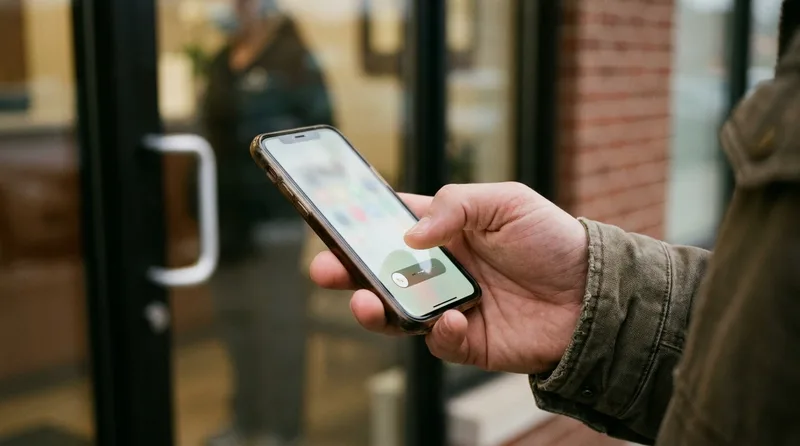
Scores of 9 and 10 are your review pool. Ask that group for a public review immediately, on the same screen, while the visit is still fresh. Scores of 0 through 6 need a call from a person, not an automated apology. The 7s and 8s are worth a read but rarely worth a chase.
Why this matters commercially: BrightLocal research puts the share of consumers reading local reviews at 98%, and Software Advice has reported that 77% of patients consult reviews when choosing a dentist. BrightLocal has also reported that 88% of consumers are more likely to use a business whose owner responds to every review, so what happens after the survey matters as much as the score. Your survey is the gate in front of that.
Wording of the ask matters as much as the timing:
- Thank them first. One sentence, specific to the visit.
- Make the request singular. One platform, one link. Offering Google, Facebook, and Yelp together lowers completion.
- Never condition it on the content. Asking only happy patients to review is fine; asking for a positive review is not, and Google's review snippet documentation is explicit that incentivized or filtered reviews violate policy.
There is a real line here. Routing unhappy patients to a private channel is normal service recovery. Blocking them from reviewing you is review gating, and platforms treat it as a violation.
Related: If your five-star patients still are not posting, the ask itself is usually the problem. Read 9 ways to get reviews without awkward asks →
Which Dental Patient Survey Questions Should You Never Ask?
Skip leading questions, double-barreled items, price questions, and anything that pulls clinical detail into a text thread. Each one either corrupts your data or creates a compliance problem, and all four show up constantly in survey templates practices copy from other industries.
Take the leading question. "How much did you enjoy your visit with our friendly team?" cannot produce a useful negative answer. You have told the patient what to say, so the response measures politeness, not experience.
The ones worth removing today:
- Double-barreled: "Were the front desk and clinical team helpful?" A patient who loved one and disliked the other has no way to answer.
- Price: "Was our pricing fair?" invites a complaint you cannot act on and drags your average down. Ask about clarity instead.
- Clinical detail over SMS: anything naming a diagnosis or procedure in an unsecured channel.
- Staff-specific blame: "Which team member disappointed you?" turns feedback into an HR incident and patients into informants.
- Vague scales: "Rate your overall experience" with no anchors, which produces numbers you cannot compare across visit types.
One more, and it is common: do not ask patients to rate things they cannot see. Sterilization protocol, insurance processing accuracy, and record keeping all matter, but a patient has no basis to judge them, and NIDCR maintains the oral health data that belongs in clinical review rather than a satisfaction score.
How Do You Turn Survey Answers Into a Fix List?
Assign every recurring signal an owner and a due date. A survey program creates value at exactly one moment: when a pattern becomes somebody's assigned task. Without that step, you have built a dashboard, and dashboards do not change a schedule template or retrain a front desk script.

Review answers weekly in a 15-minute block, not monthly. Individual complaints get handled within 24 hours. Patterns get handled at the process level, which is a different conversation with a different owner.
When the pattern points at declined treatment rather than the visit itself, the survey has done its job. Work through the presentation gaps behind low case acceptance to turn that signal into a concrete change.
| Survey signal | Owner | Action |
|---|---|---|
| Late starts across many visits | Scheduler | Rebuild the schedule template and buffer times |
| Costs not explained clearly | Treatment coordinator | Rework the presentation script and written estimate |
| Hard to reach by phone | Front desk lead | Audit call logs, then cover the gap hours |
| Scores of 9 or 10 with no review posted | Marketing | Move the ask earlier and cut it to one platform |
| Next visit not booked before leaving | Hygiene coordinator | Add pre-appointing to the checkout step |
Phone complaints deserve a note of caution. Patients report "hard to reach" long before your team believes there is a problem, and call data usually confirms the patients. According to Dental Economics, the average practice misses 15 to 20 calls a week, which is a survey answer and an operations report describing the same gap.
Where Survey Questions Fit in the Rest of Your Marketing
Survey answers should feed your review strategy, your recall program, and your attribution reporting. Treated as a standalone score, feedback becomes a vanity number. Connected to the rest of the funnel, it tells you which stage is leaking and roughly what that leak costs you.
The connections worth building first:
- High scorers route to your Google Business Profile, since profile quality decides whether those reviews are seen. Our breakdown of Google Business Profile mistakes covers the setup issues that waste good reviews.
- Low scorers route to a recovery call, then into your reactivation list rather than out the door. Turning overdue patients into booked visits starts with knowing why they hesitated.
- Attribution answers reconcile against your ad and search reporting, which is where most practices discover their referral volume is understated.
Practices with structured follow-up programs retain around 15% more patients annually according to PatientPop, and Harvard Business Review research puts the cost of reactivating an existing patient at 5 to 7 times less than acquiring a new one. Worth noting: your survey is the cheapest early warning system you own.
Want the platform side of this rather than the question wording?
Compare dental post-visit survey systems →Start With Five Questions and One Owner
The practices that get value from feedback are not the ones with the longest surveys. They ask five sharp dental patient survey questions, they change them rarely, and they give every recurring answer an owner with a deadline.
Pick one visit type this week. Write the five questions, send them for a month, then look at what shows up twice. That pattern is your first fix, and it will cost less to solve than the patients you would have lost to it.
See how survey feedback connects to calls, recall, and reviews
DentalBase brings patient feedback, call handling, and marketing attribution into one view, so a low score turns into a follow-up call instead of a chart nobody reads.
Book a free demo →More guides for practice owners and office managers
Browse resources →Sources & References
Frequently Asked Questions
Start with five: how easy it was to book, whether the visit ran on time, comfort during treatment, whether costs were explained clearly, and a 0 to 10 recommendation score. Those five cover the moments patients actually remember and complain about.
Five or six questions, answerable in under a minute. Completion drops as the list grows, and a survey that takes four minutes gets skipped by the patients whose feedback you need most. Add a single optional comment box at the end.
Text gets faster responses for short surveys, email suits longer ones with comment fields. Many practices send by SMS within a few hours of the visit, then follow with one email reminder two days later if nothing comes back.
Keep procedure detail out of SMS. Ask neutral comfort and recovery questions that do not name the treatment, and move anything clinical to a phone call. Texting patients has HIPAA implications your survey wording should respect.
A 0 to 10 recommendation question. Patients answering 9 or 10 are the group worth asking for a public review, and the ask converts better when it arrives right after they select that score, not days later.
Ask about clarity instead. A question like whether costs were explained before treatment began tells you if your presentation is working, while a price question invites complaints you cannot act on and skews your average score down.
Keep the core set stable for at least a year so trends stay comparable, and rotate one optional question each quarter to test a specific worry, such as parking, phone hold times, or hygienist handoffs.
Was this article helpful?
Written by
DentalBase Team
Expert dental industry content from the DentalBase team. We provide insights on practice management, marketing, compliance, and growth strategies for dental professionals.