How to Increase Dental Implant Cases: 6 More = $360K/Year
Learn proven strategies to increase dental implant cases in your practice. Six additional monthly cases can generate $360K annually.
Share:
Table of contents
Introduction: Why Dental Implant Demand Is Growing
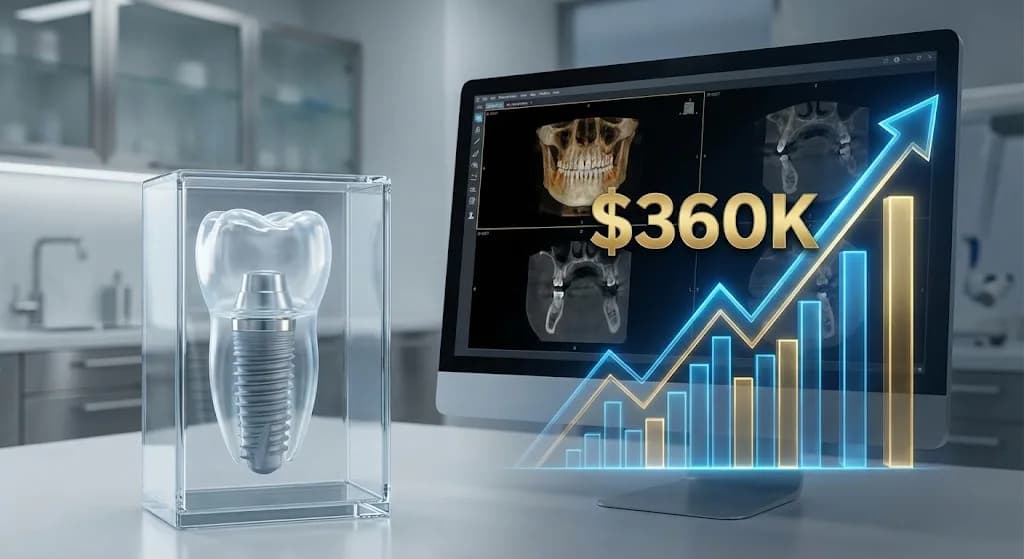
The opportunity to increase dental implant cases represents one of the most significant strategies for meaningful revenue growth available to dental practices today. Because the average dental implant patient generates approximately $60,000 in lifetime value, adding just six additional cases per month can drive an astonishing $360,000 in annual revenue growth.
This financial opportunity aligns perfectly with rising patient demand across the United States. According to the American Academy of Implant Dentistry, 3 million Americans already have dental implants, and that number is growing by 500,000 annually. This surge is driven by changing demographics, increased patient awareness, improved clinical success rates, and expanding insurance coverage.
This guide provides evidence-based strategies for dental practices to systematically increase dental implant cases. We examine patient decision-making factors and marketing approaches alongside clinical considerations. We also review technology solutions that contribute to sustainable implant growth. The focus remains on ethical practice building through education and appropriate treatment recommendations.
Understanding Why Patients Choose Dental Implants
Why are so many people getting dental implants? For practices aiming to increase dental implant cases, understanding the answer is crucial. The answer lies in a combination of clinical advantages and lifestyle factors. It also reflects increased awareness of available treatment options among patients. Patient motivations for implant treatment extend beyond basic tooth replacement. They encompass long-term oral health, function, and quality of life considerations.
Common Clinical and Lifestyle Motivations
Patients increasingly understand that dental implants offer superior outcomes compared to traditional removable appliances. Clinical studies consistently demonstrate that implants provide better chewing efficiency, speech clarity, and jawbone preservation. The psychological benefits are equally significant. Patients report increased confidence in social and professional settings. They can eat, speak, and smile without concern about denture movement or adhesives.
Age demographics also influence implant demand. Baby boomers represent the largest demographic seeking implant treatment. They typically have the financial resources and health consciousness to invest. They invest in comprehensive solutions, which is a key factor for practices looking to increase dental implant cases.
Why Dental Implants Are Increasingly Preferred
Modern implant materials and techniques have significantly improved success rates and treatment predictability. Titanium implants achieve osseointegration success rates exceeding 95% in healthy patients. Zirconia implants provide metal-free alternatives for patients with specific preferences. Advances in digital planning, guided surgery, and immediate loading protocols have reduced treatment time. These advances have also improved patient experience.
Insurance coverage improvements, while still limited, have increased dental implant cases. Many dental insurance plans now provide partial coverage for implant procedures. Flexible payment options through third-party financing have removed financial barriers for qualified patients. Medical necessity documentation for implant treatment has become more standardized. This standardization supports insurance claim approvals.
How To Increase Dental Implant Cases Through Better Patient Evaluation
What is the 3/2 rule for dental implants? This clinical guideline refers to the minimum bone dimensions required for successful implant placement. It requires 3mm of bone width around the implant and 2mm between adjacent implants or natural teeth. Understanding and applying this rule helps practitioners identify suitable implant candidates. It also helps avoid complications that could damage the practice's reputation.
More Qualified Implant Leads Through Comprehensive Screening
Systematic patient evaluation increases both implant success rates and case acceptance. Implementing standardized screening protocols helps identify ideal candidates for implant treatment. These protocols also manage expectations for patients who require additional procedures. The evaluation process should include a medical history review and clinical examination. It should also include radiographic assessment and discussion of treatment alternatives.
Practices that successfully increase dental implant cases often restructure their new patient examination process. They include implant assessment as a standard component. This approach normalizes implant consultation and helps patients understand their options before tooth loss occurs. Early identification of patients enables proactive treatment planning. It also supports implant site preservation.
Higher Consultation Conversion Rate Through Education
Patient education significantly impacts treatment acceptance rates. Practices with the highest implant case conversion rates typically invest in visual aids. They also invest in patient education materials and staff training programs. Three-dimensional imaging and treatment planning software demonstrations help patients understand treatment benefits. Before-and-after case presentations help patients understand expected outcomes.
The consultation process itself influences patient decision-making. Successful implant practices that want to increase dental implant cases schedule dedicated consultation appointments. They avoid discussing complex treatment during routine visits. This approach allows sufficient time for patient questions, financial discussions, and treatment planning review. Follow-up communication protocols also improve case acceptance rates. These include written treatment summaries and progress check-ins.
The Implant Marketing Funnel You Should Track (PPC + SEO)
How do you consistently attract high-value implant patients? The answer requires a deep understanding of the complete patient journey and strategically optimizing every touchpoint from their initial awareness to final treatment completion. Because modern dental marketing operates across multiple complex channels, digital platforms now drive the vast majority of new patient inquiries for premium elective procedures like dental implants.
Lead Sources (Google Ads vs Organic Search)
Paid advertising through Google Ads provides immediate visibility for implant-related searches. However, cost-per-click rates for dental keywords can be substantial. Effective implant PPC campaigns typically focus on specific treatment types. Examples include single tooth implants, All-on-4, and implant dentures. Geographic targeting ensures ad spend focuses on patients within the practice's service area.
Organic search engine optimization builds long-term visibility for implant-related content. Practices that consistently publish educational content about implant procedures, patient experiences, and treatment outcomes are more likely to increase dental implant cases as they see improved search rankings over time. Local SEO optimization, including Google My Business management and patient review generation, impacts implant lead generation since patients often search for nearby providers.
Conversion Points (Call, Form, Chat)
Multiple contact options increase lead capture rates, as patient preferences vary for initial communication methods. Phone calls remain the highest-converting contact method for implant inquiries, with conversion rates typically 2-3 times higher than web forms. However, online forms capture leads outside business hours and from patients who prefer written communication.
Live chat functionality addresses immediate questions and can schedule consultations in real-time. AI-powered chat systems handle basic implant questions 24/7, qualify leads, and schedule appointments without staff involvement. This technology is particularly effective for capturing leads from patients researching treatment options during evening hours.
Key Metrics
| Metric | Good Performance | Excellent Performance |
|---|---|---|
| Cost per implant lead | $150-250 | Under $150 |
| Consultation show rate | 70-80% | Above 80% |
| Consultation to treatment | 40-50% | Above 50% |
| Average case value | $4,000-5,000 | Above $5,000 |
Tracking these metrics helps practices identify bottlenecks in their implant marketing funnel and optimize resource allocation between different marketing channels.
PPC Strategy to Generate More Implant Leads (Google Ads)
How much profit do dentists make on implants? While profit margins vary by practice overhead and fee structures, dental implants typically provide higher profit margins than most restorative procedures. Single implant cases often generate 60-70% profit margins, while full-mouth reconstructions can exceed these percentages due to economies of scale in laboratory and surgical costs.
For practices that want to increase dental implant cases, Google Ads campaigns require careful keyword selection and budget management. High-intent keywords like "dental implants near me" and "tooth replacement options" typically convert better than broad awareness terms. However, competition for these keywords drives up costs, requiring practices to balance lead volume with cost-per-acquisition targets.
Ad copy should focus on specific patient benefits rather than technical procedure details. Successful implant ads typically highlight outcomes like "eat your favorite foods again" or "smile with confidence" rather than discussing osseointegration or surgical techniques. Including pricing information, financing options, and consultation offers can improve click-through rates and lead quality.
Landing page optimization significantly impacts conversion rates from PPC traffic. Dedicated implant landing pages should load quickly, provide clear information about the practice's implant experience, and include multiple contact options. Patient testimonials, before-and-after photos, and detailed procedure explanations help visitors understand treatment benefits and build trust in the practice.
Negative keyword lists prevent ads from showing for irrelevant searches, improving campaign efficiency. Common negative keywords for implant campaigns include "free," "cheap," "insurance," and "DIY" since these searches typically indicate users seeking options incompatible with quality implant treatment. Regular campaign monitoring and keyword optimization based on performance data helps maximize return on advertising investment.
Dental Implant SEO Strategy to Build Sustainable Demand
Long-term efforts to increase dental implant cases require sustainable organic search visibility rather than relying solely on paid advertising. Search engine optimization for implant-related content builds authority and trust with both search engines and potential patients researching treatment options.
Content marketing forms the foundation of effective implant SEO. Educational articles addressing common patient questions about implant procedures, recovery, costs, and alternatives provide value while improving search rankings. Topics like "how long do dental implants last" and "implant vs bridge comparison" capture high-intent searches from patients in the research phase.
Local SEO optimization ensures the practice appears in location-based searches for implant providers. Google My Business optimization, including accurate contact information, service descriptions, and patient reviews, significantly impacts local search visibility. Regular posting of educational content, patient success stories, and practice updates helps maintain an active local search presence.
Technical SEO factors also influence implant-related search rankings. Website loading speed, mobile responsiveness, and secure HTTPS protocols affect user experience and search engine rankings. Structured data markup helps search engines understand page content and may improve visibility in featured snippets for implant-related questions.
Patient review generation and management support both SEO and reputation building. Positive reviews from implant patients provide authentic social proof while improving local search rankings. Practices should implement systematic review request processes and respond professionally to all patient feedback, demonstrating commitment to patient satisfaction and continuous improvement.
Want a predictable pipeline of implant consults from SEO + Google Ads?
Schedule a marketing assessment to review your current rankings, ad spend, conversion rates, and landing pages.
The Missing Link: Call Tracking for Dental Implant Leads
Many practices attempting to increase dental implant cases struggle to measure marketing effectiveness because they cannot accurately track phone inquiries back to specific marketing sources. Call tracking technology provides detailed analytics about phone leads, enabling data-driven marketing decisions and budget optimization.
Dynamic number insertion assigns unique phone numbers to different marketing channels, allowing practices to identify which campaigns generate the most valuable leads. This technology tracks whether calls originate from Google Ads, organic search results, social media, or referral sources. Understanding lead sources helps practices allocate marketing budgets toward the most effective channels.
Call recording and analysis provide insights into patient concerns and staff performance during initial inquiries. Many implant consultations begin during the first phone call, making receptionist training and call handling protocols critical for conversion rates. Practices can identify common objections, successful response strategies, and opportunities for staff development through call analysis.
Integration with customer relationship management systems is another critical step to increase dental implant cases, as it ensures no implant leads fall through administrative gaps. Automated lead tracking, appointment scheduling, and follow-up reminders help practices maintain consistent communication with potential implant patients throughout the decision-making process. This systematic approach particularly benefits high-value cases that may require multiple consultations before treatment acceptance.
How AI Helps Capture More Implant Leads Without Adding Payroll
Artificial intelligence solutions help practices increase dental implant cases by improving lead capture and patient communication without requiring additional staff members. AI receptionists can handle basic implant inquiries, schedule consultations, and qualify leads during hours when the practice is closed or staff members are busy with patient care.
AI chat systems on practice websites answer common implant questions instantly, providing immediate engagement when potential patients are researching treatment options. These systems can explain basic procedure information, discuss financing options, and collect contact information for follow-up consultations. Advanced AI platforms integrate with practice management systems to check appointment availability and schedule consultations.
Phone-based AI solutions handle overflow calls and after-hours inquiries that might otherwise result in lost leads. These systems can gather patient information, answer frequently asked questions about implant procedures, and ensure appropriate follow-up by practice staff. For practices with limited reception capacity, AI solutions prevent missed calls that could represent significant revenue opportunities.
The technology particularly benefits implant marketing because many patients research treatment options outside normal business hours. AI availability ensures the practice can engage with potential patients whenever they have questions, improving lead capture rates and patient satisfaction with the initial communication experience. This is a scalable way to increase dental implant cases.
Ready to capture implant leads 24/7 without adding payroll?
Book a DentiVoice demo to see how AI answers implant inquiries, qualifies prospects, and schedules consults automatically, so more high-value leads convert into booked appointments.
Calculating the True ROI of an Implant Growth System
While the clinical training and marketing systems outlined above require an upfront investment, the return on investment (ROI) for a dedicated implant funnel is unmatched in modern dentistry. By transitioning away from "hope-based" marketing and implementing a trackable, AI-supported system, practices can mathematically engineer their revenue growth.
When evaluating the financial impact of these systems, consider the mechanics of a fully optimized implant funnel:
The Revenue Baseline: Assuming an average immediate case fee of $5,000, adding just six new implant cases per month generates exactly $360,000 in direct annual revenue.
- Cost Per Acquisition (CPA):With a highly targeted PPC and SEO strategy, a well-performing practice can generate qualified implant leads for about $150 per lead. If the consultation-to-treatment conversion rate is 50%, the effective marketing cost to acquire a $5,000 implant case is only $300, delivering a strong immediate return on marketing investment.
The AI Multiplier Effect: Historically, up to 30% of high-value implant leads are lost simply because patients call after hours or while the front desk is overwhelmed. By deploying an AI receptionist to capture and schedule these specific leads 24/7, you eliminate "leaky funnel" waste. Saving just one dropped implant lead per month completely covers the cost of the technology, driving your ROI exponentially higher without adding a single dollar to your payroll.
Long-Term Lifetime Value (LTV): The financial impact extends far beyond the initial surgical and restorative fees. Because successful implant patients remain highly loyal to the practice, their ongoing maintenance, hygiene visits, and future restorative needs routinely push their total lifetime value to around $60,000.
Conclusion
Successfully implementing strategies to increase dental implant cases requires a systematic approach combining clinical excellence, patient education, and strategic marketing. The potential for generating $360,000 in additional annual revenue through just six additional monthly cases demonstrates the significant impact of focused implant growth initiatives.
Key success factors include comprehensive patient evaluation protocols, multi-channel marketing approaches, and technology solutions that improve lead capture and conversion rates. Practices must balance aggressive growth goals with appropriate clinical standards and ethical treatment recommendations. The emphasis should remain on identifying patients who will benefit from implant treatment rather than promoting procedures to unsuitable candidates.
Technology solutions, including AI receptionists, call tracking systems, and digital marketing tools, provide scalable methods for improving implant lead generation without proportional increases in overhead costs. These systems are particularly valuable for smaller practices that cannot justify additional staff members but want to compete effectively for implant cases.
The dental implant market will continue expanding as patient awareness increases and technology improves treatment outcomes. Practices that establish systematic approaches to implant marketing, patient education, and case conversion will be positioned to capture a larger share of this growing market. The investment in comprehensive implant growth strategies typically provides returns that justify the initial implementation costs and ongoing optimization efforts.
Start turning implant demand into real case volume.
Schedule a free implant growth consultation to identify your biggest conversion leaks (calls, follow-up, consult show rate), optimize your funnel, and build a system that consistently increases implant cases.
For the broader strategy this specialty campaign should sit inside, see our full dental marketing playbook, which covers marketing planning across every service line.
Frequently Asked Questions
The 3/2 rule for dental implants refers to the minimum spacing requirements: at least 3mm of bone width around each implant and 2mm between adjacent implants. This rule ensures proper blood supply, bone integration, and long-term implant success. Following this guideline helps prevent complications like bone loss and implant failure.
To get more implant patients, focus on targeted digital marketing including Google Ads for immediate leads and SEO for long-term growth. Improve patient evaluation processes, implement call tracking systems, and use AI tools to capture leads 24/7. Patient education about implant benefits and financing options also significantly increases case acceptance rates.
Dental implants are increasingly popular due to their superior functionality compared to dentures, permanent solution for tooth loss, and improved quality of life. The aging population, increased awareness of oral health impacts, and advances in implant technology have made them more accessible and successful than ever before.
Dental implant profit margins typically range from 40-60% per case, with average case values of $3,000-$6,000. A single additional implant case per month can generate $36,000-$72,000 in annual revenue. The high profit margins make implants one of the most lucrative dental procedures when properly marketed and executed.
A realistic marketing budget depends on your growth goals and local market competition. A common benchmark for a practice focused on growth is to allocate 5-10% of its target implant revenue to marketing. For example, to generate $360,000 in new implant revenue, a budget of $18,000 to $36,000 annually ($1,500-$3,000 per month) is a reasonable starting point for a mix of SEO and targeted PPC campaigns.
Was this article helpful?
Written by
Dentalbase Team
The Dentalbase Team is a collective of dental marketing experts, AI developers, and practice management consultants dedicated to helping dental practices thrive in the digital age.